Bachelor of Music in Composition
Application Deadline for Fall 2027 - December 1, 2026
Designed for students who wish to become composers and/or pursue academic careers, this degree teaches time-honored techniques and developing new innovations. Students will learn to compose for various ensembles and instruments and styles, both traditional and non-traditional, the practical aspects of their craft, and also expand their aesthetic awareness to reach beyond these aspects. Collaboration is encouraged. Weekly seminars provide opportunities for sharing of community insights. Applicants should have an extensive background in piano or another instrument/voice and evidence of creative capacity in composition.
Curriculum
The Bachelor of Music in Composition requires a minimum of 120 credits: coursework is 75% within SMTD and 25% within the liberal arts. SMTD coursework to include:
- Private study in Composition
- Music Theory
- Musicology
- Ensemble participation
- Piano
Silent Advisor
Degree requirements and term-by-term layout for current students.
Faculty
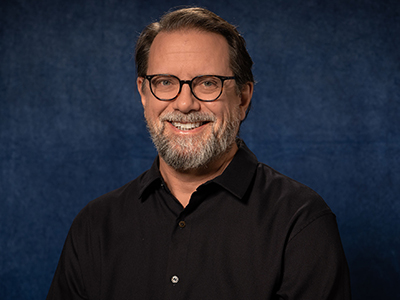
Evan Chambers

Michael Daugherty
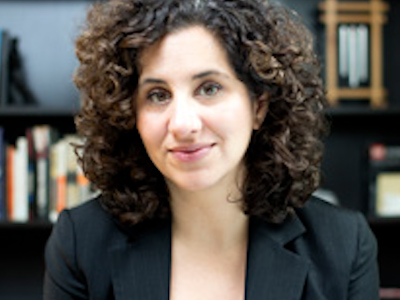
Roshanne Etezady
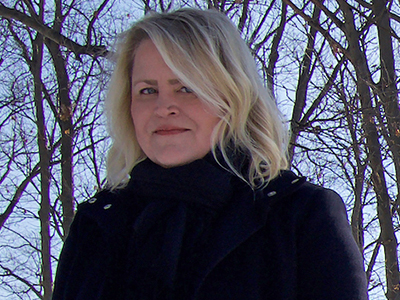
Kristin Kuster
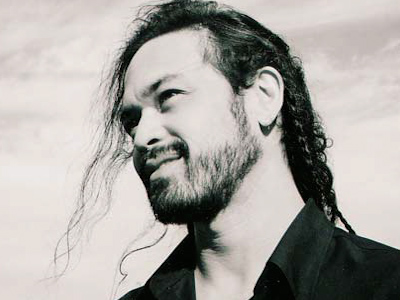
Erik Santos
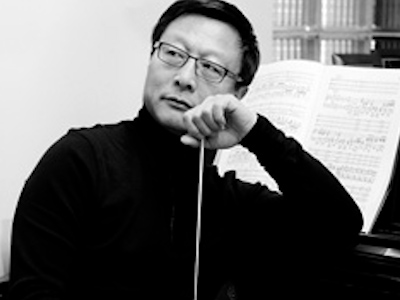
Bright Sheng
Performance Opportunities
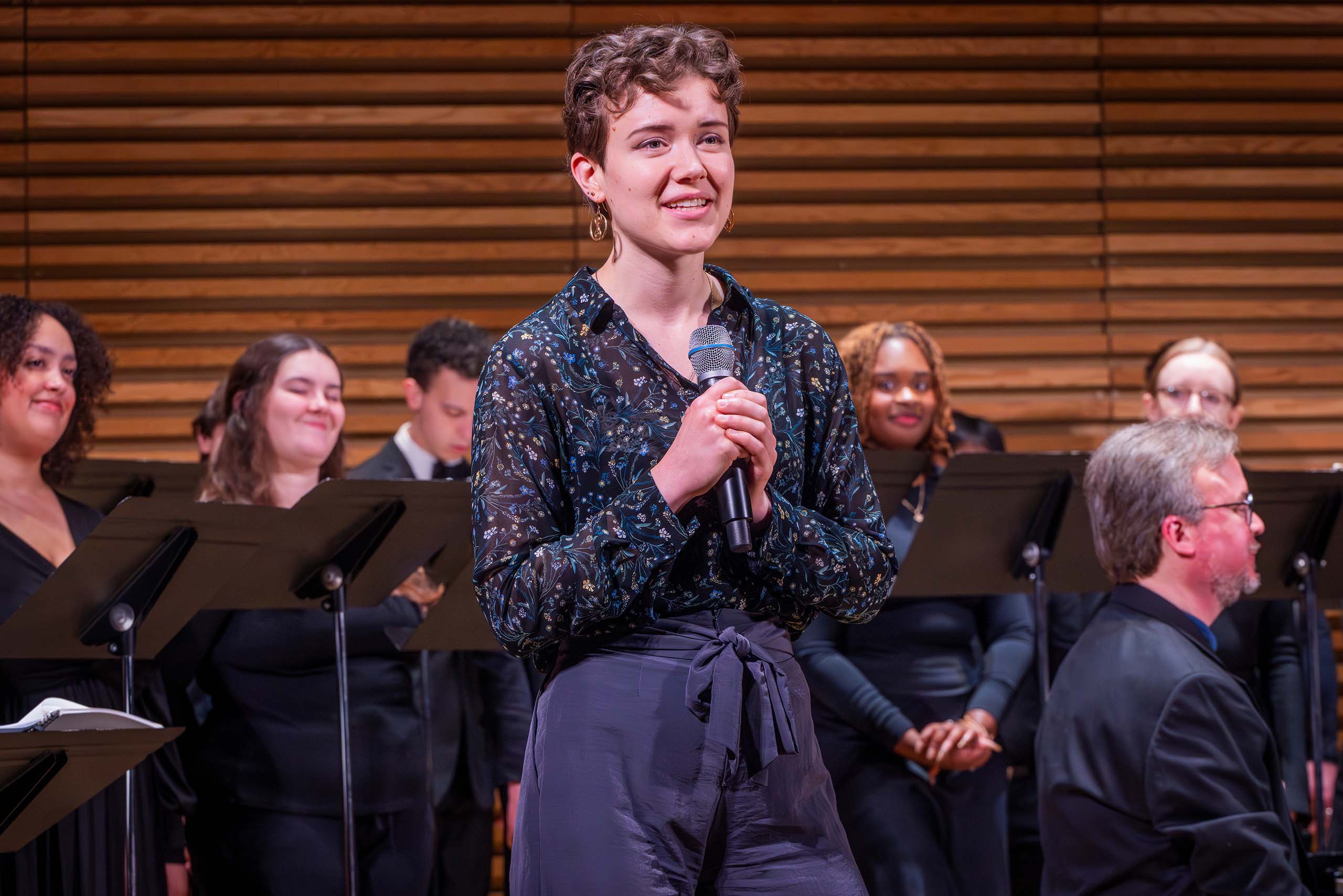
There is a vibrant culture of collaboration between performers and composers at SMTD. Student composers receive premieres of their works at a variety of venues, including 5-6 Student Composer Concerts per year, and concerts by U-M ensembles. Competitions for new choral music and instrumental works are featured each year. Our performance studios actively commission new works for their degree recitals, and the Chamber Music department offers an annual award for the best performance of an SMTD composer’s work. Composition students also regularly collaborate with filmmakers, dancer/choreographers, and are actively involved in directing music for stage productions, a cappella groups, and musical theatre performers. Each term, the William Bolcom Residency in Composition hosts renowned guest artists who come to campus to interact with students and faculty through lessons, workshops, meals, lectures, and performances. Funding for student performance projects is available from SMTD’s EXCEL grant programs.


New Music Concerts
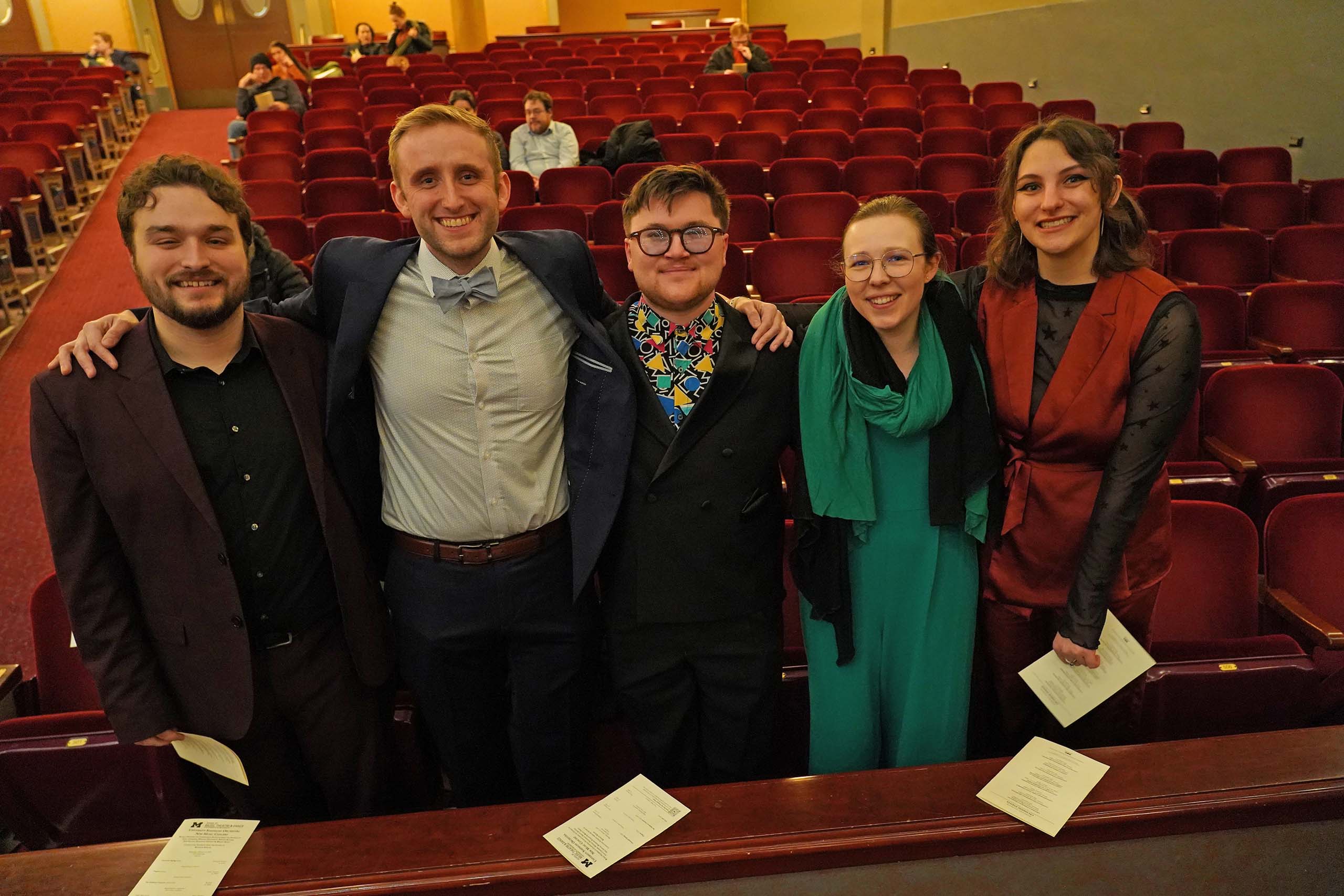
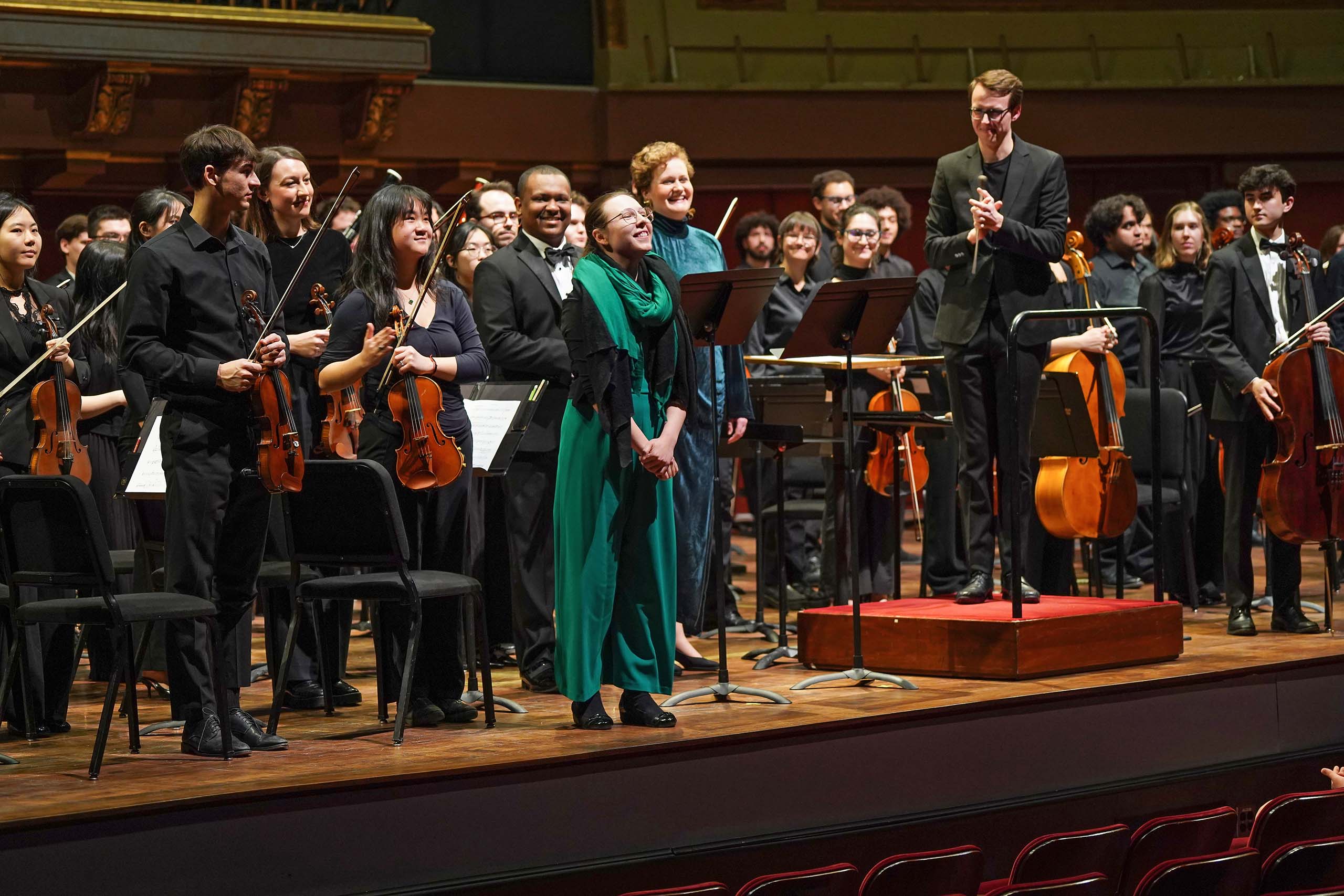
Student composers often take the spotlight with their compositions performed at the annual New Music Concerts by the University Orchestras.