
Doctor of Philosophy in Musicology with Historical Emphasis
Application deadlines are specific to degree programs. See our Graduate Admissions page for a list of all deadlines.
Designed for students seeking the highest degree in the field, the Ph.D. is a rigorous five-year course of study culminating in a doctoral dissertation.
Curriculum
The initial three years of coursework (pre-candidacy) can be seen as exploring and expanding intellectual horizons on the path toward satisfying candidacy requirements, completing the special field exam (in ethnomusicology or historical musicology), and advancing to candidacy. Ethnomusicology and historical musicology students will complete the same three required courses as well as eight elective courses in the department.
Academic Eligibility
Applicants to the Doctor of Philosophy in Musicology with Historical Emphasis must have completed a bachelor’s degree before matriculation. They should be prepared to excel in advanced courses in musicology, music theory, and in related fields of the humanities and interpretative social sciences.
Knowledge of languages is indispensable for studying music history, and all students are required to demonstrate proficiency in one language other than English by the end of their first year in the PhD program. Prospective students whose intended area of research is on a non-English-speaking region or culture are expected to have begun acquiring the language skills needed for such research before matriculation.
Faculty
James Ryan Bodiford
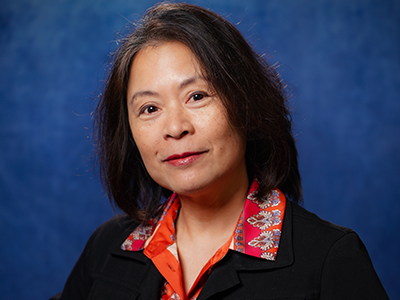
Christi-Anne Castro
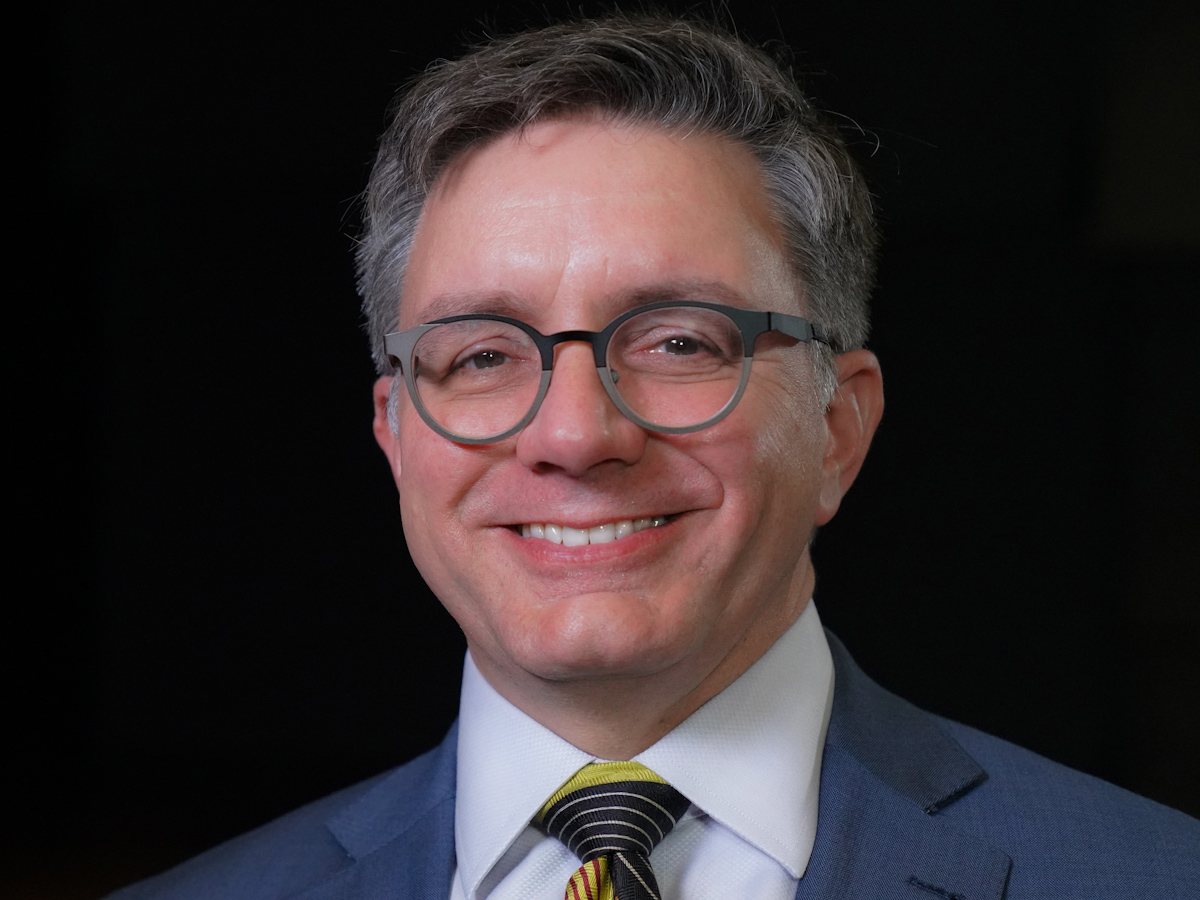
Mark Clague
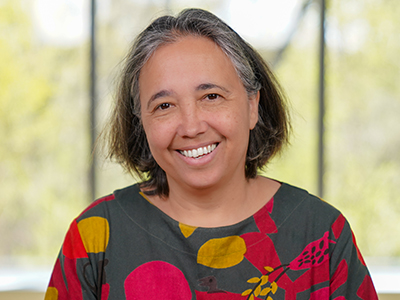
Gabriela Cruz
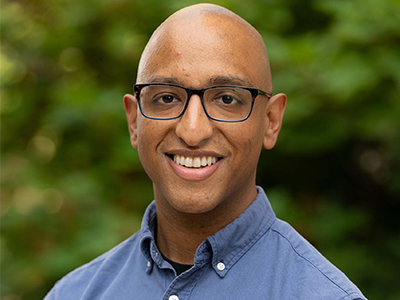
Jonathan A. Gómez
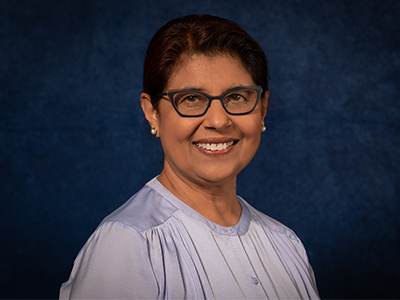
Inderjit Kaur
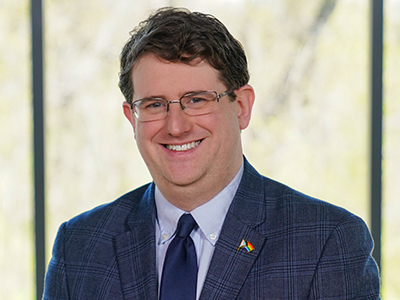
Andrew Kohler
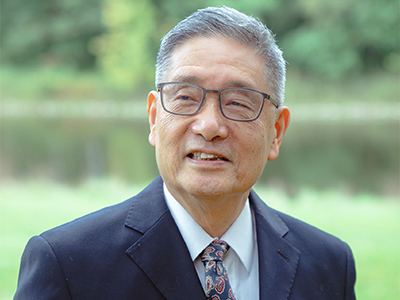
Joseph S. C. Lam
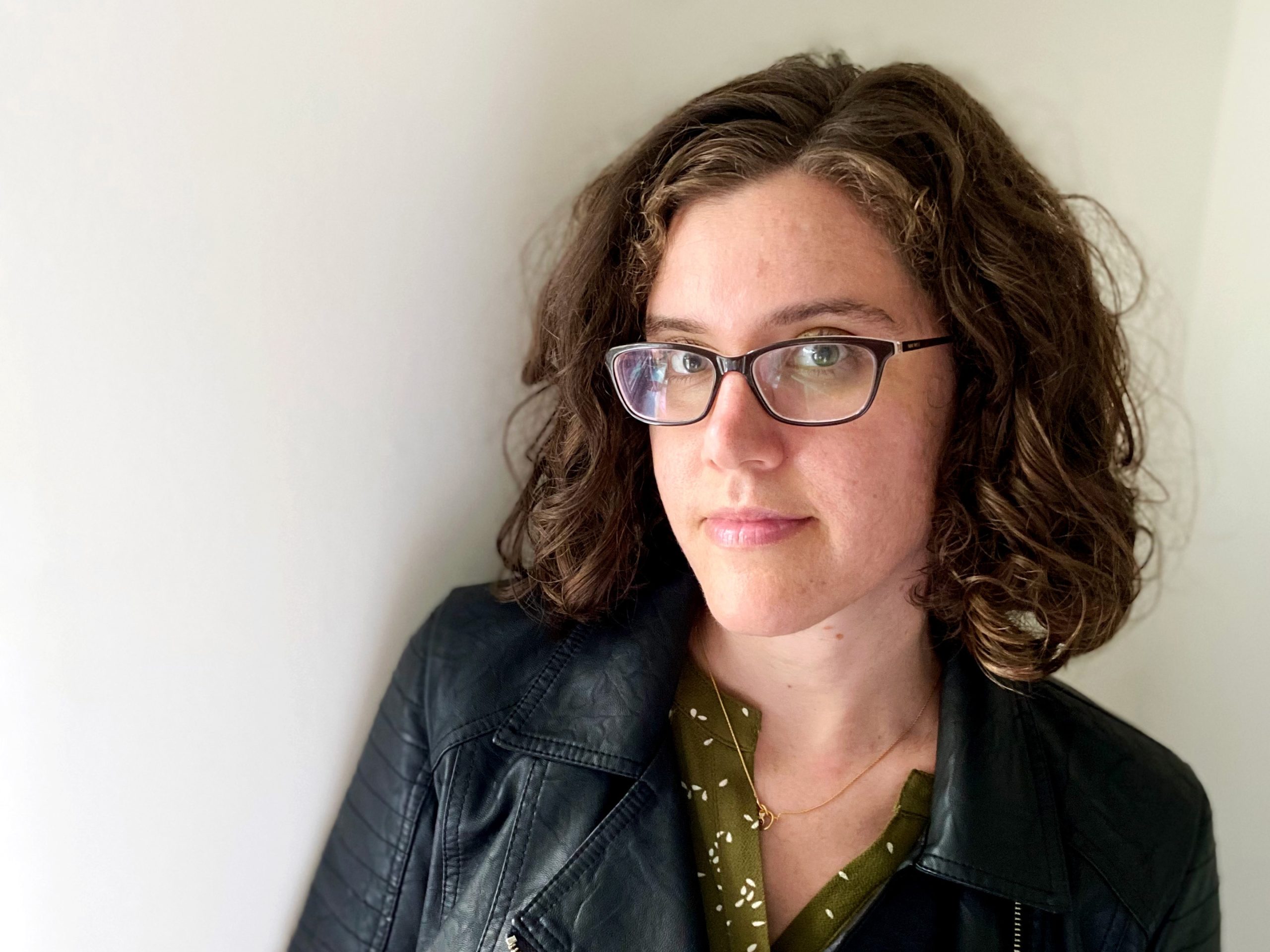
Erica Levenson
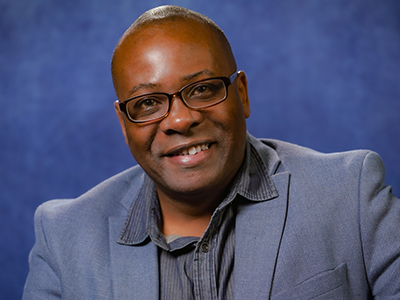
Charles Lwanga
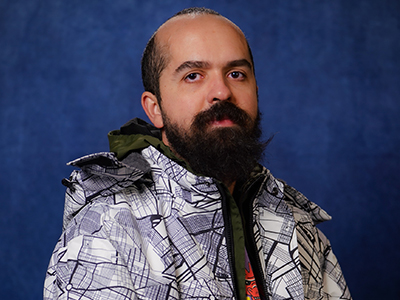
Gustavo Souza Marques
Stefano Mengozzi

Diane Oliva
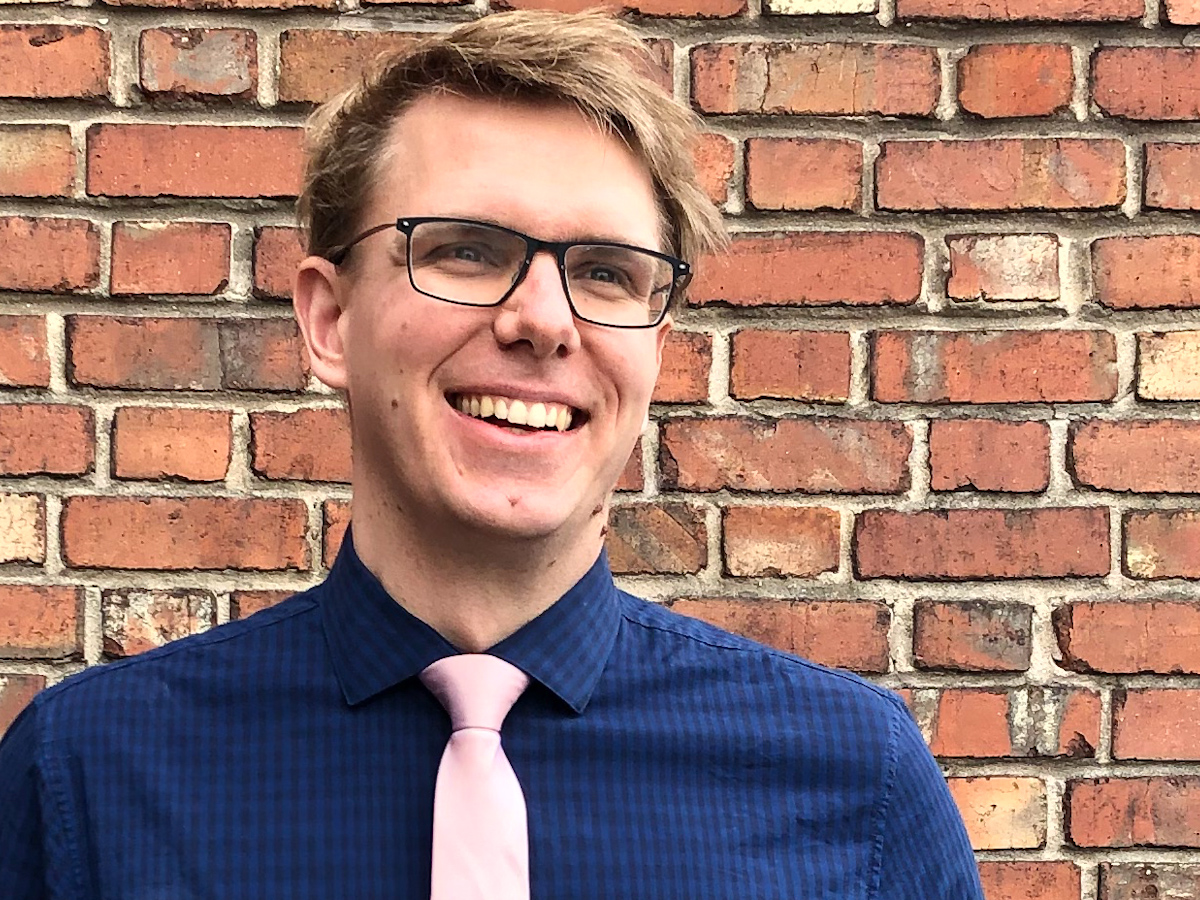
Mackenzie Pierce

Kelli Smith-Biwer
Kai West
Dissertations produced by PhD candidates with Historical Musicology Emphasis
2026
Piper Foulon, “Machines Walking Backwards: The Russian Musical Avant-Garde and the Uncanny”
2025
Cody Jones, “Making Music History: Musical Dramatizations of Antebellum US History, 1959-2025”
2024
Michaela Franzen, “Prokofiev in Paris: Reconstructing the Narrative of Sergei Prokofiev’s Émigré Period”
Kai West, Historical Musicology, “Signal Paths: Electric Guitar Culture in the Twenty-First Century”
2022
Nathinee Chucherdwatanasak, “Creative Destruction, Perpetual Rebirth: Classical Music in the Early Twenty-First-Century United States”
Alyssa Wells, Historical Musicology, “Falling Out of Step: Belonging, Grit, and Drum Corps International’s Moment of Reckoning”
Elizabeth McLain, “The Apolitical as Political: Olivier Messiaen’s Theology, Intellectual World and Aesthetic Agenda in the 1930s”
2021
Lena Leson, “Making an American Modernist: Franco-Russian Music Practices and Cold War Aesthetics in the Ballets of George Balanchine”
2020
Kristen Clough, “Opera in Crisis? Revealing the Cultural and Political Impact of French Fourth Republic Opera, 1945-1958”
Jessica Grimmer, “Political Battlefields in French Musical Education: Provincial Conservatories under the Nazi Occupation and Vichy Regime”
Patricia Prokert, “Interpreting Race and Difference in the Operas of Richard Strauss”
2019
Anne Heminger, “Confession Carried Aloft: Music, Religious Identity, and Sacred Space in London, c. 1540-1560”
Austin Stewart, “The Opera is Booming. This is a City.: Opera in the Urban Frontier of Denver, 1864-1893”
2018
Kathryn Cox, “‘What Happened to the Post-War Dream?’: Nostalgia, Trauma, and Affect in British Rock of the 1960s and 1970s”
2016
Sarah Suhadolnik, “Navigating Jazz: Music, Place, and New Orleans”
Leah Weinberg “Opera behind the Myth: An Archival Examination of Einstein on the Beach”
2015
Jessica Getman, “Music, Race, and Gender in the Original Series of Star Trek (1966-69)”
2014
Sarah Gerk, “Far Away O’er the Ocean Go Journeymen, Cowboys, and Fiddlers: The Irish in Nineteenth-Century American Music”
2013
Daniel Blim, “Patchwork Nation: Collage, Music, and American Identity”
Alison DeSimone, “The Myth of the Diva: Female Opera Singers and Collaborative Performance in Early Eighteenth-Century London”
Nicholas Field, “Outlandish Authors: Innocenzo Fede and Musical Patronage at the Stuart Court in London and in Exile”
2012
Rebecca Fulop, “Heroes, Dames, and Damsels in Distress: Constructing Gender Types in Classical Hollywood Film Music”
Michael Mauskapf, “Enduring Crisis, Ensuring Survival: Artistry, Economics, and the American Symphony Orchestra”
2011
Scott Southard, “Focalization and Masculine Subjectivity in the Early Operas of Benjamin Britten”
Shinobu Yoshida, “Modeling Heroines in Giacomo Puccini’s Operas”
2010
Timothy Freeze, “Gustav Mahler’s Third Symphony: Program, Reception, and Evocations of the Popular”
Nathan Platte, “Musical Collaboration in the Films of David O. Selznick, 1932–1957”
2009
Laura Kennedy, “Symphonies nos. 8 and 10 by Dmitri Shostakovich: A Study of Sketches and Drafts”
2008
Rebecca Schwartz-Bishir, “‘Musique Dansante’ and the Art of Ballet”
2007
Christopher Scheer, “Fin-de-siecle Britain: Imperialism and Wagner in the Music of Gustav Holst”
2003
Eric Saylor, “The Significance of Nation in the Music of Ralph Vaughan Williams”
2000
Amanda Eubanks, “Gender and Genre: Musical Conventions on the English Stage, 1660-1705”
1999
Mark Katz, “The phonograph Effect: The Influence of Recording on Listener, Performer, Composer, 1900-1940”