
Doctor of Philosophy in Musicology with Ethnomusicological Emphasis
Application deadlines are specific to degree programs. See our Graduate Admissions page for a list of all deadlines.
The PhD program in the field of ethnomusicology addresses music in its social and cultural contexts across the globe and over time. Students may specialize in any musical tradition and in any area of the world, including genres such as jazz and popular music of the United States. Designed for students seeking the highest degree in the field, the Ph.D. is a rigorous five-year course of study culminating in a doctoral dissertation.
Curriculum
The initial three years of coursework (pre-candidacy) can be seen as exploring and expanding intellectual horizons on the path toward satisfying candidacy requirements, completing the special field exam (in ethnomusicology or historical musicology), and advancing to candidacy. Ethnomusicology and historical musicology students will complete the same three required courses as well as eight elective courses in the department.
Funding
All students admitted to the PhD program in Musicology are provided with five-year funding packages. Financial aid at the doctoral level is conditional on the achievement of candidacy within six terms.
Residency Requirement
At least one academic year of full-time residence is required.
Faculty
James Ryan Bodiford
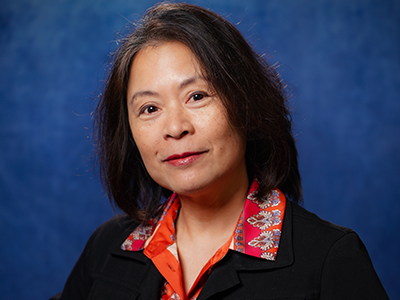
Christi-Anne Castro
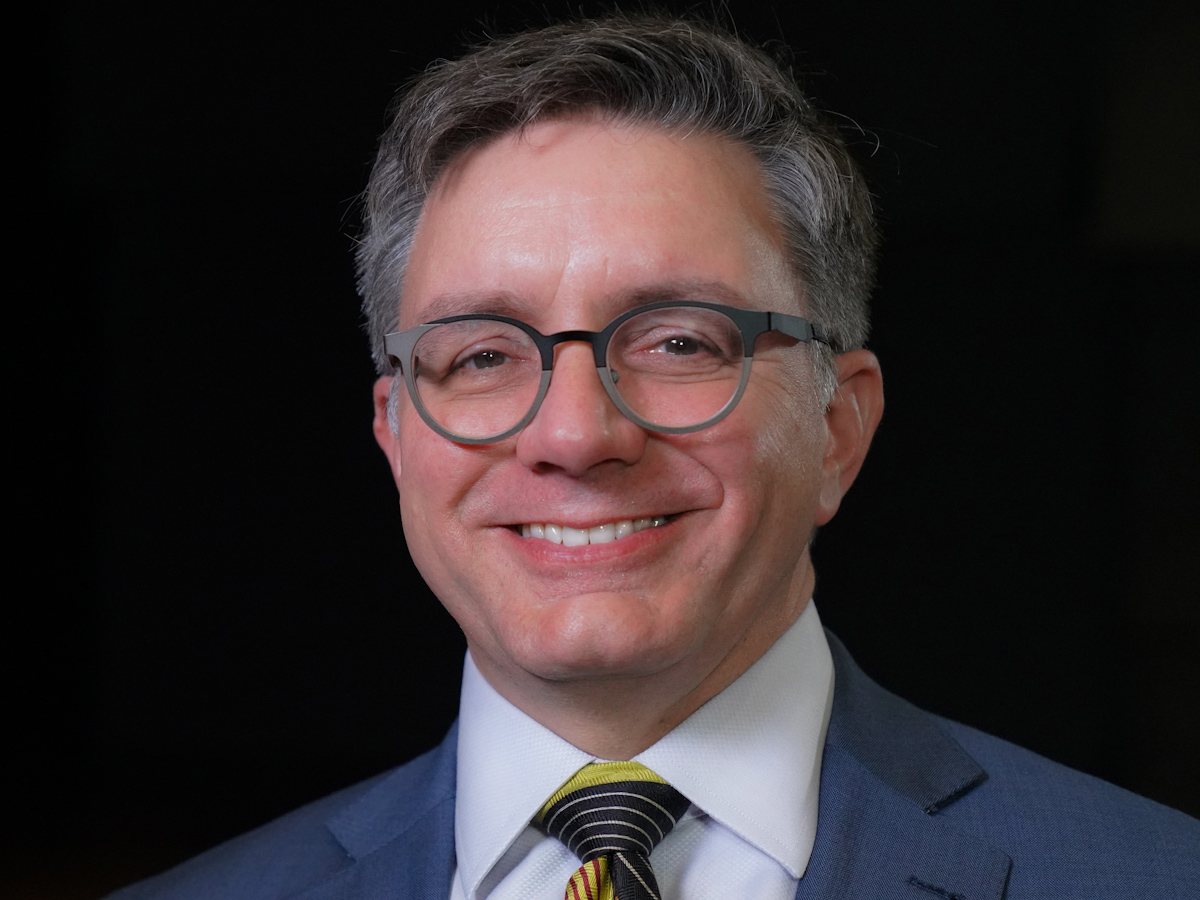
Mark Clague
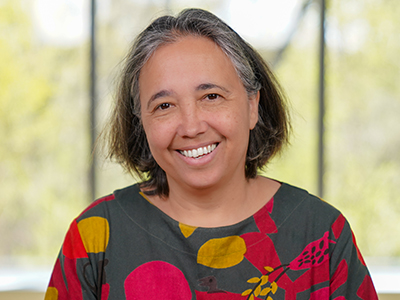
Gabriela Cruz
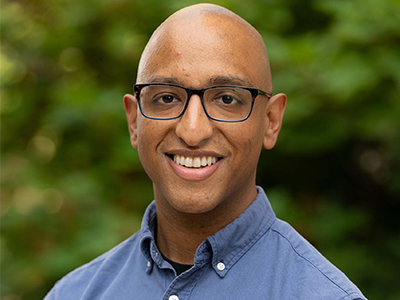
Jonathan A. Gómez
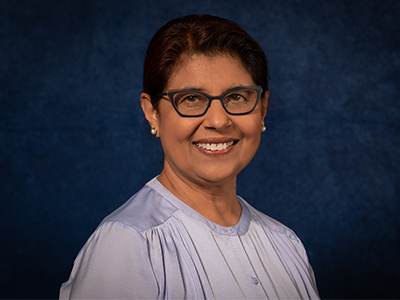
Inderjit Kaur
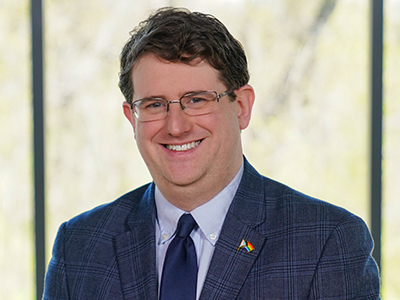
Andrew Kohler
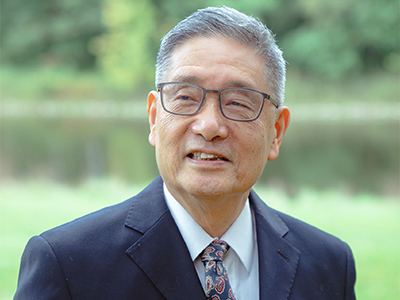
Joseph S. C. Lam
Erica Levenson
Charles Lwanga
Gustavo Souza Marques
Stefano Mengozzi

Diane Oliva
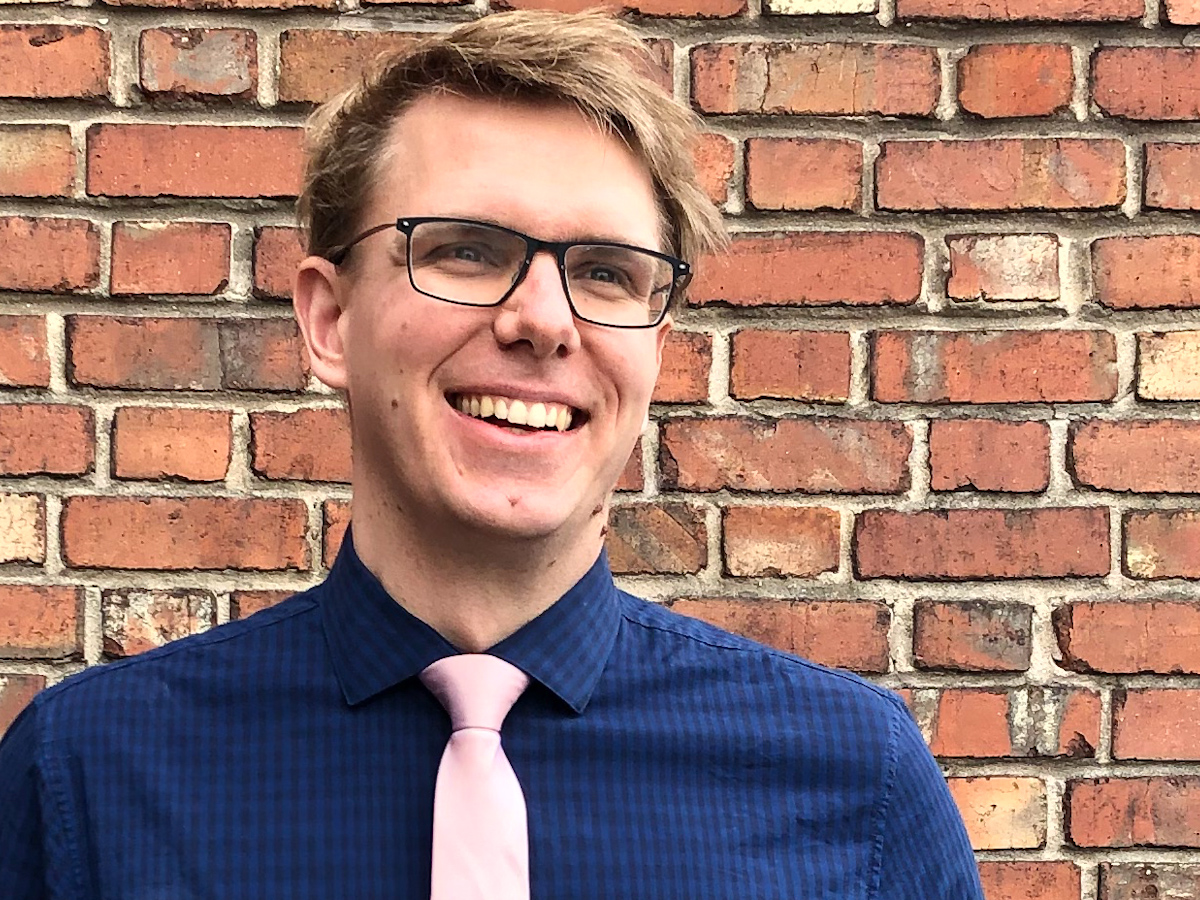
Mackenzie Pierce
Kelli Smith-Biwer
Kai West
Dissertations Produced by Ph.D Candidates with Ethnomusicology Emphasis (Since 2021)
2026
Chuyi Zhu, “Enacting Tujia Kujia (Bridal Lamentation) as Emotion, Heritage, and Capital in Contemporary China”
2024
Julian Grey, “Nonbinary Drag: A Trans Musicology of Sensation and Interperformativity” (Honorable mention for Proquest Distinguished Dissertation Award)
Conner Vanderbeek, “Talking Over Each Other: Diasporic Punjabi Artists and the Ideologies of Public Arts in Multicultural Canada”
2021
Lisa Decenteceo, “From Being to Becoming: Protests, Festivals, and Musical Mediations of Igorot Indigeneity”