

Michigan Muse Spring 2026 > In Memoriam
In Memoriam
Robert H. Bartlett (1939–2025)
Dr. Robert H. Bartlett (MD ’63), longtime loyal supporter of the School of Music, Theatre & Dance, the Michigan Marching Band, and the Men’s Glee Club, died on October 20, 2025, after a long illness. An emeritus surgeon at Michigan Medicine and professor at the U-M Medical School, Bartlett was renowned for the vital role he played in developing extracorporeal membrane oxygenation (ECMO) technology for long-term heart and lung bypass to support failing organs. The technology involves a complex circuit that pumps blood from the body and oxygenates it outside of the body, to allow the heart and lungs to rest and recover from damage or disease. His development of extracorporeal life support (ECLS) led to a new understanding of the pathophysiology of renal, cardiac, and pulmonary failure, which provides the basis for much of advanced critical care.
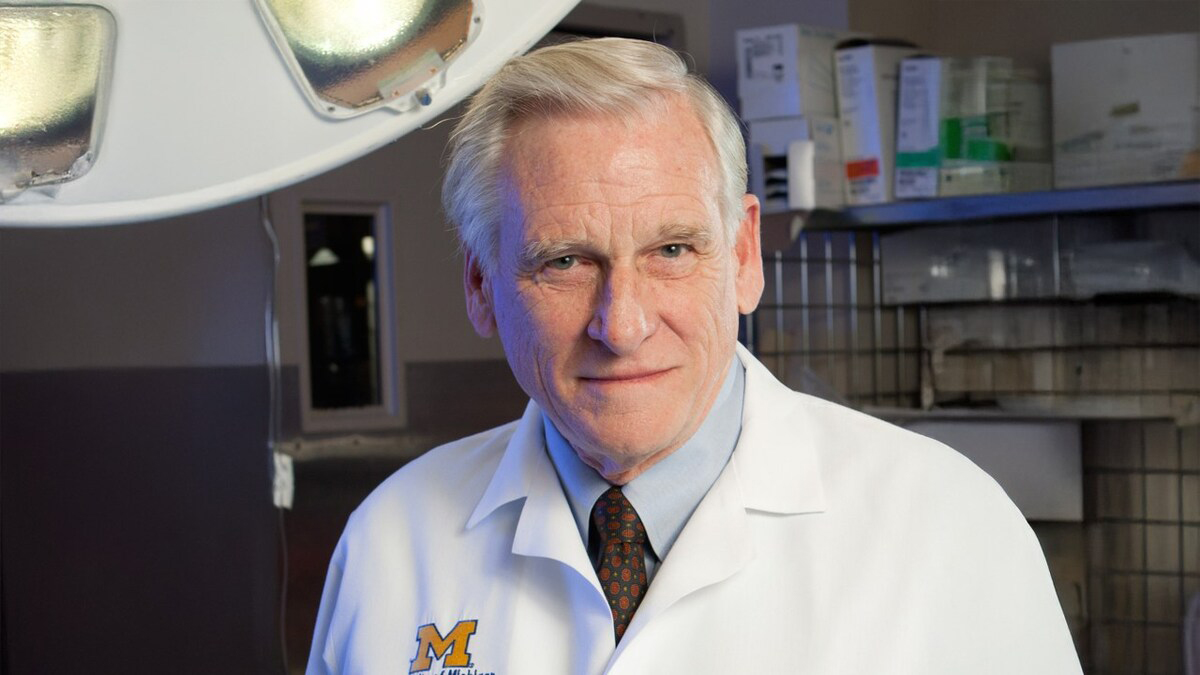
Bartlett obtained his undergraduate degree at Albion College prior to attending U-M for medical school. He then trained in general and thoracic surgery at what is now the Brigham and Women’s Hospital in Boston and was a National Institutes of Health trainee in academic surgery at Harvard Medical School from 1966 to 1970. He then joined the faculty at the University of California Irvine School of Medicine, where he continued with previously commenced research on ECMO, ultimately leading the team that first successfully used ECMO on a newborn in 1975. He has since become known as the “father of ECMO.”
Bartlett joined the Michigan faculty in 1980 and was Michigan Medicine’s section head of general surgery and director of the surgical intensive care unit. He continued his research activities, further refining ECMO technology to expand its use in more types of patients and exploring the potential for artificial organs and ways to prolong the viability of transplantable organs. ECMO use grew over the next 40 years, and with the COVID-19 pandemic, it gained wider public recognition and renewed importance: more than 17,000 COVID patients were placed on ECMO. Since its inception, the treatment has been used on more than 261,000 critically ill patients, with more than 54 percent surviving to leave the hospital.
The recipient of many medical honors and awards, Bartlett lived life to the fullest. He was an avid hockey player until the age of 50, an inveterate sailor, the author of two novels, and an accomplished musician who played double bass and euphonium. For many years he was a member of U-M’s Life Sciences Orchestra and the Ann Arbor Civic Band. In addition to his dedicated support of the Men’s Glee Club and MMB, Bartlett provided expendable string bass scholarship support.
Donations in his honor can be made to the Robert H. Bartlett Extracorporeal Life Support Laboratory, UMS, or the U-M Men’s Glee Club.
Gillian Eaton (1947–2025)
Gillian Eaton, a retired assistant professor of theatre who taught acting students for a decade at SMTD, died September 29, 2025, at her home in Los Angeles, following a short battle with cancer. In addition to her great talent as an actor, director, and educator, Eaton was a champion for social justice and was known for her warmth, humor, curiosity, and deep interest in everyone she met.
A native of Wales, Eaton attended England’s Old Vic Theatre School and then joined the Royal Shakespeare Company. She enjoyed a long and prolific stage acting career on both sides of the Atlantic, including performances on London’s West End, in Los Angeles at the Mark Taper Forum and Ahmanson Theatre, on national tours, and in regional theatres. In addition to her stage work, Eaton appeared in many films including Mel Brooks’s To Be or Not To Be (1983); Yellowbeard (1983), with Monty Python alum Graham Chapman; and Calamity Jane (1984), with Jane Alexander. During the 1980s and ’90s she also appeared in such top television series as Murder She Wrote, Remington Steele, Hill Street Blues, and St. Elsewhere.
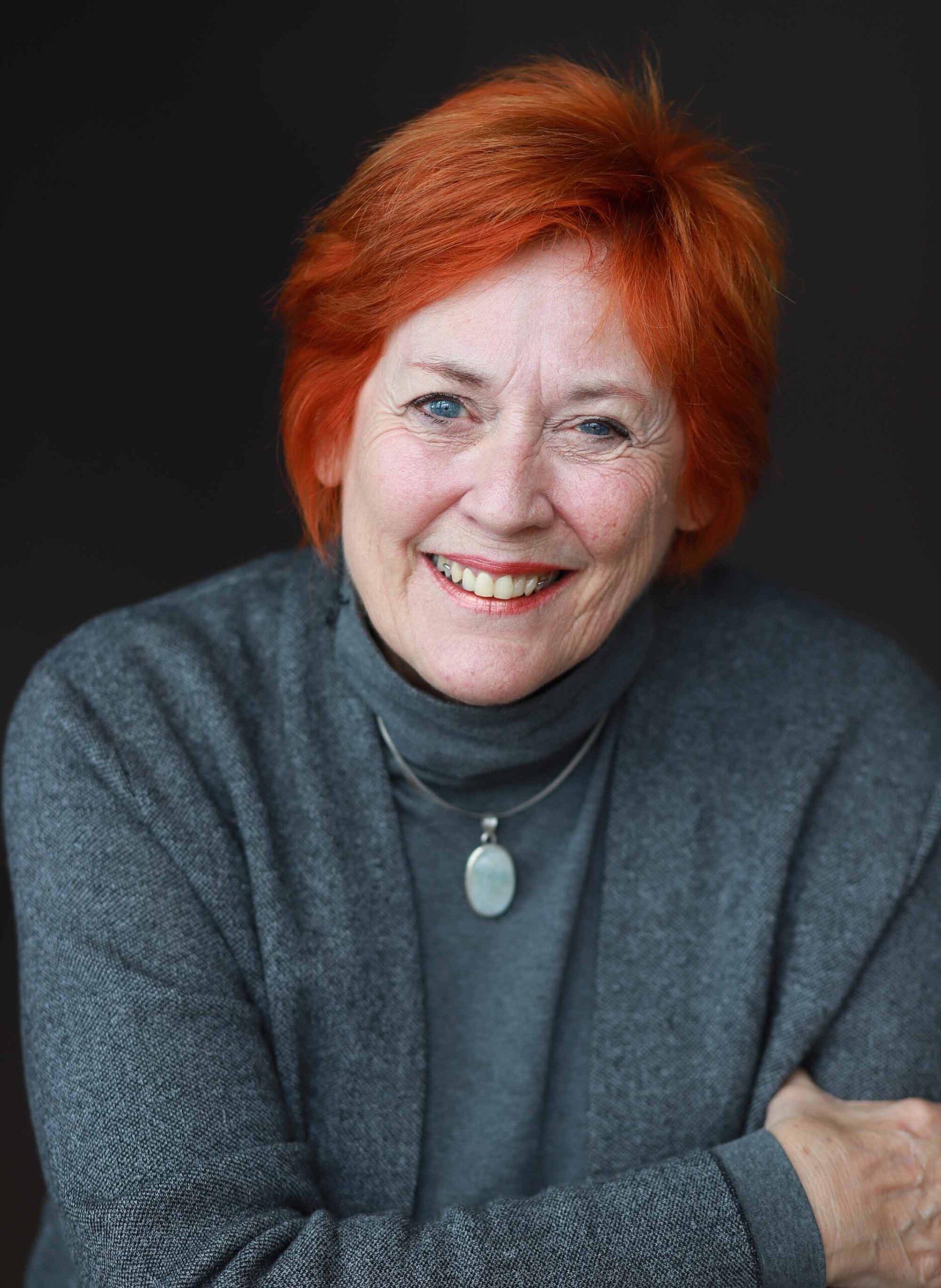
Eaton settled in Michigan with her husband, the late Randy Eaton, and raised four children while continuing her acting career, along with directing and writing. She created arts education outreach programs at the Detroit Historical Museum, the Roeper School, and UMS, and she served as a guest theatre artist for numerous other Michigan organizations, including U-M’s Prison Creative Arts Project (PCAP), Flint Youth Theatre, and the Detroit Zoo.
As vice president of arts and humanities for the YMCA of Metropolitan Detroit, Eaton created multiple community programs and collaborations with more than 20 metro Detroit organizations. Her Y Arts program of the YMCA was designated a Global Center of Excellence by the YMCA of the USA for work with immigrant populations. Along with numerous theatre awards, she was honored with the Michigan Artist prize from ArtServe Michigan; the Detroit Free Press Award for outstanding contribution to theatre in Michigan; and the Humanities Award from the Wayne County Council for Arts, History and Humanities.
Eaton directed and taught Shakespeare in performance at Wayne State University and at Eastern Michigan University, where she was the McAndless Fellow, before joining the SMTD faculty in 2012. She was beloved by her students and colleagues for her joyful and enthusiastic approach to teaching. Among the plays she directed at U-M were Good Kids (a Michigan premiere that was commissioned by the Big Ten Theatre Consortium), Wild Honey, Peter and the Starcatcher, The Grapes of Wrath, Love and Information, As You Like It, and Hay Fever.
In the year before her death, Eaton had earned a PhD in creative writing at Cardiff University in Wales, after having earned a 2012 MA in creative writing from the University of Wales Trinity Saint David.
Gary Glaze (1938–2026)
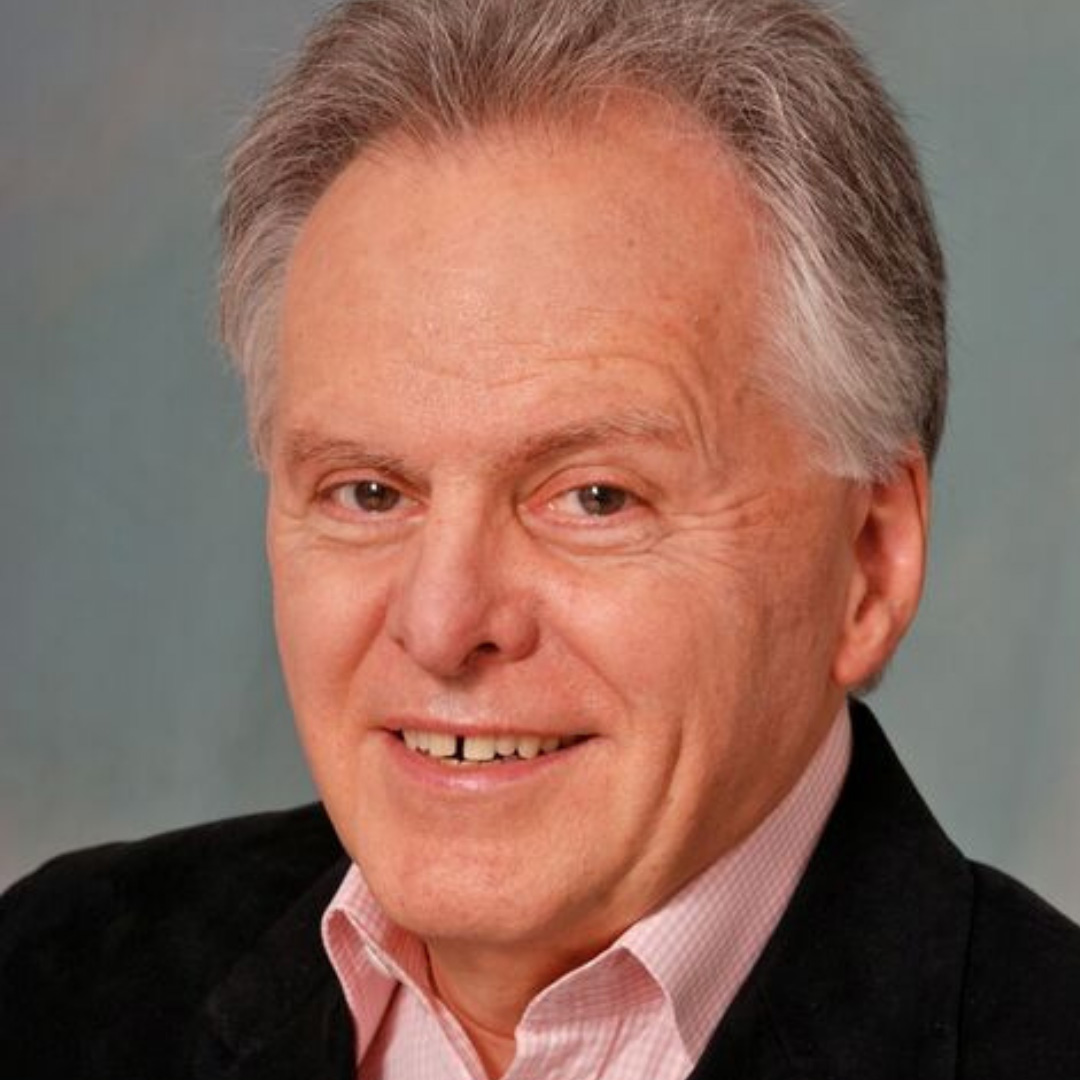
The internationally acclaimed tenor Gary Glaze (MM ’62, voice), who performed more than 14 seasons with the New York City Opera at Lincoln Center, died on January 5, 2026, in Essex, Connecticut. He was 87.
Originally from St. Petersburg, Florida, Glaze was a singer of opera, oratorio, and concerts. In addition to his roles with the New York City Opera, he performed at the Kennedy Center and the Los Angeles Music Center and starred as Don Ottavio in Don Giovanni with New York’s Metropolitan Opera. For 24 years, Glaze served as professor of vocal arts at University of Southern California Thornton School of Music, retiring in 2016 as professor emeritus of vocal arts.
In 2017, Glaze and his wife Cynthia Munzer created an Endowed Vocal Arts Scholarship to provide scholarship support for students in the School of Music, Theatre & Dance who wish to pursue a career in the field of classical singing.
William L. Kopp (1928–2026)
A devoted and generous supporter of SMTD, William L. Kopp (BS ’51, MD ’54, MS ’62) passed away in Houston on January 26, 2026, at age 97. Born in Chicago and raised in Grand Rapids, Kopp became a passionate Wolverine while earning his degrees at U-M. Though he chose to go into medicine, music was always a vital part of Kopp’s life. As a percussionist (timpani), Kopp spent many summers attending the Interlochen Music Camp, where he met his wife Alice, a violinist and pianist. In addition, as a young teenager Kopp spent parts of two summers attending band clinics in Ann Arbor under the direction of U-M’s legendary band director, William D. Revelli, whose musicianship and search for perfection were described by Kopp as inspirational.
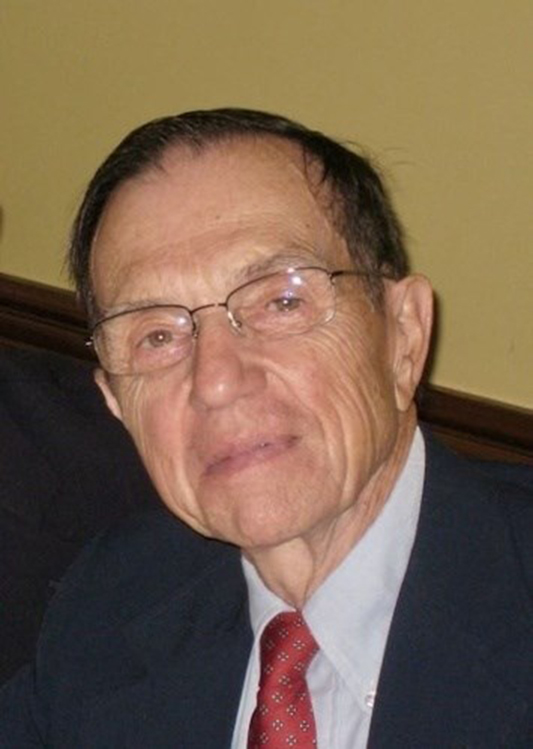
Throughout his many years of study at U-M, Kopp attended hundreds of concerts sponsored by the university. After graduating, he served as a captain in the US Army Medical Corps, caring for soldiers and their families in post-World War II Germany. Kopp and his young family then moved to Madison, Wisconsin, in 1962, where he initially served at the William S. Middleton Memorial Veterans’ Hospital and later at St. Mary’s Hospital/Dean Medical Group as an internist with a subspeciality in allergy and immunology. After more than 30 years in private practice, he retired to warmer climates in Jackson, Mississippi, and then to Houston, Texas.
Kopp remained an ardent fan of SMTD’s performances throughout his life, and in 2014 he set a bequest intention to establish the William and Alice Kopp Faculty Fund in Musical Theatre, an endowed fund to support musical theatre faculty.
Charles F. “OyamO” Gordon (1943–2026)
Charles F. Gordon, professor emeritus of theatre and drama professionally known as OyamO, died on February 24, 2026. A gifted playwright, accomplished teacher, and dedicated mentor, OyamO joined the U-M faculty as an adjunct associate professor in 1989 and also served as SMTD’s writer-in-residence. He was promoted to associate professor in 1990 and professor in 2009, and he held additional appointments in the Department of English Language and Literature, 1989–2009.
A native of Ohio, OyamO moved to New York after briefly attending Miami University and worked at the New Lafayette Theatre in Harlem, where his interest in playwriting blossomed and evolved. He received a BA from the College of New Rochelle (New York) in 1979 and an MFA from Yale University in 1981. In addition to SMTD, he taught at Princeton University, the College of New Rochelle, Emory University, and the University of Iowa’s Playwrights Workshop.
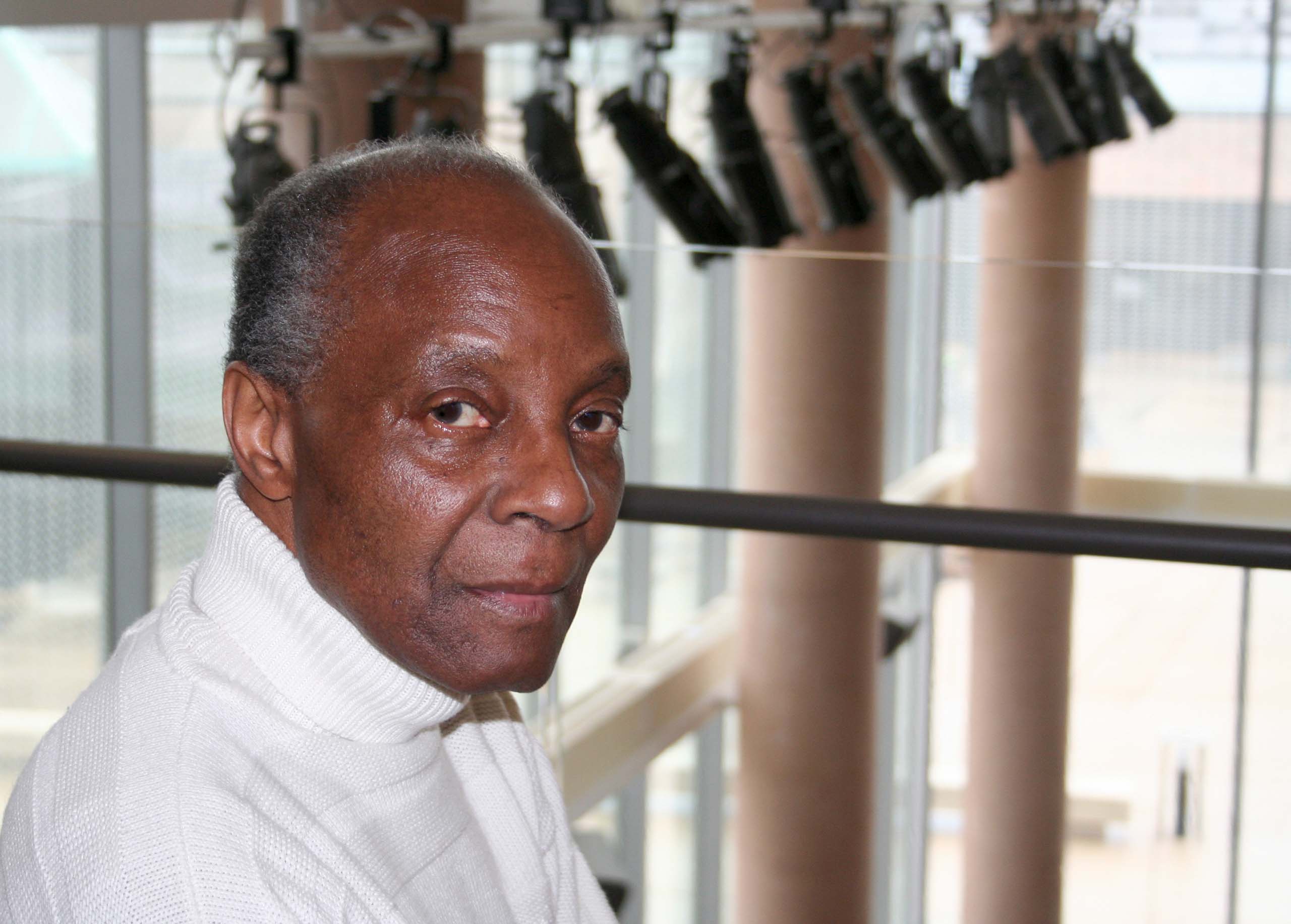
OyamO’s works tackle controversial topics in politics, race, gender, and societal classes, and he often wrote about the struggles of people of color in America. Among his many notable plays are Famous Orpheus, Boundless Grace, Let Me Live, I Am a Man, and In Living Colors. He drew inspiration from Henrik Ibsen’s A Doll’s House (1879) and John Milton’s Paradise Lost (1667) for his plays Selfish Sacrifice and Paradise Re-Lost, respectively. He also wrote City in a Strait, about the civil rights movement in Detroit, and Sing Jubilee, about the Fisk Jubilee Singers, for the Mosaic Youth Theatre of Detroit.
OyamO’s plays have been performed at celebrated theatres across the country, including Yale Repertory Theatre, New York’s Frederick Douglass Creative Arts Center, and Washington, DC’s Arena Stage Theatre and John F. Kennedy Center for the Performing Arts, among many others.
OyamO was the recipient of numerous honors, including a Rockefeller Foundation Playwright in Residence Grant, a John Simon Guggenheim Memorial Foundation Fellowship, a McKnight Foundation Fellowship, a Berrilla Kerr Foundation Award, a Faculty Fellowship at the Kennedy Center’s American College Theater Festival, and U-M’s Shirley Verrett Award. In 1999, he received the Eric Kocher Playwrights Award for The White Black Man at the Eugene O’Neill Theater Center’s National Playwrights Conference, and in 2000 he was awarded a PEW/TCG Playwright-in-Residence Fellowship at the Philadelphia Theatre Company.
Willis Patterson (1930–2025)
Singer, conductor, educator, administrator, and author, Professor Emeritus Willis Patterson (BM ’58, MM ’59, voice) died on October 22, 2025, in Ann Arbor. Hired in 1968 as SMTD’s first African American faculty member, Patterson was associate dean for undergraduate studies and minority affairs from 1979 until his retirement in 1999, and he also served as music director of the Men’s Glee Club and as chair of the Department of Voice.
Patterson’s SMTD tenure was marked by a singular commitment to recruiting African American students and for developing a voice curriculum that reflected a wider range of composers and experiences. He was also devoted to drawing attention to African American art songs, an endeavor that he committed to for much of his life, and directed U-M’s first Black American Music Symposium in 1985, the first of its kind nationally.
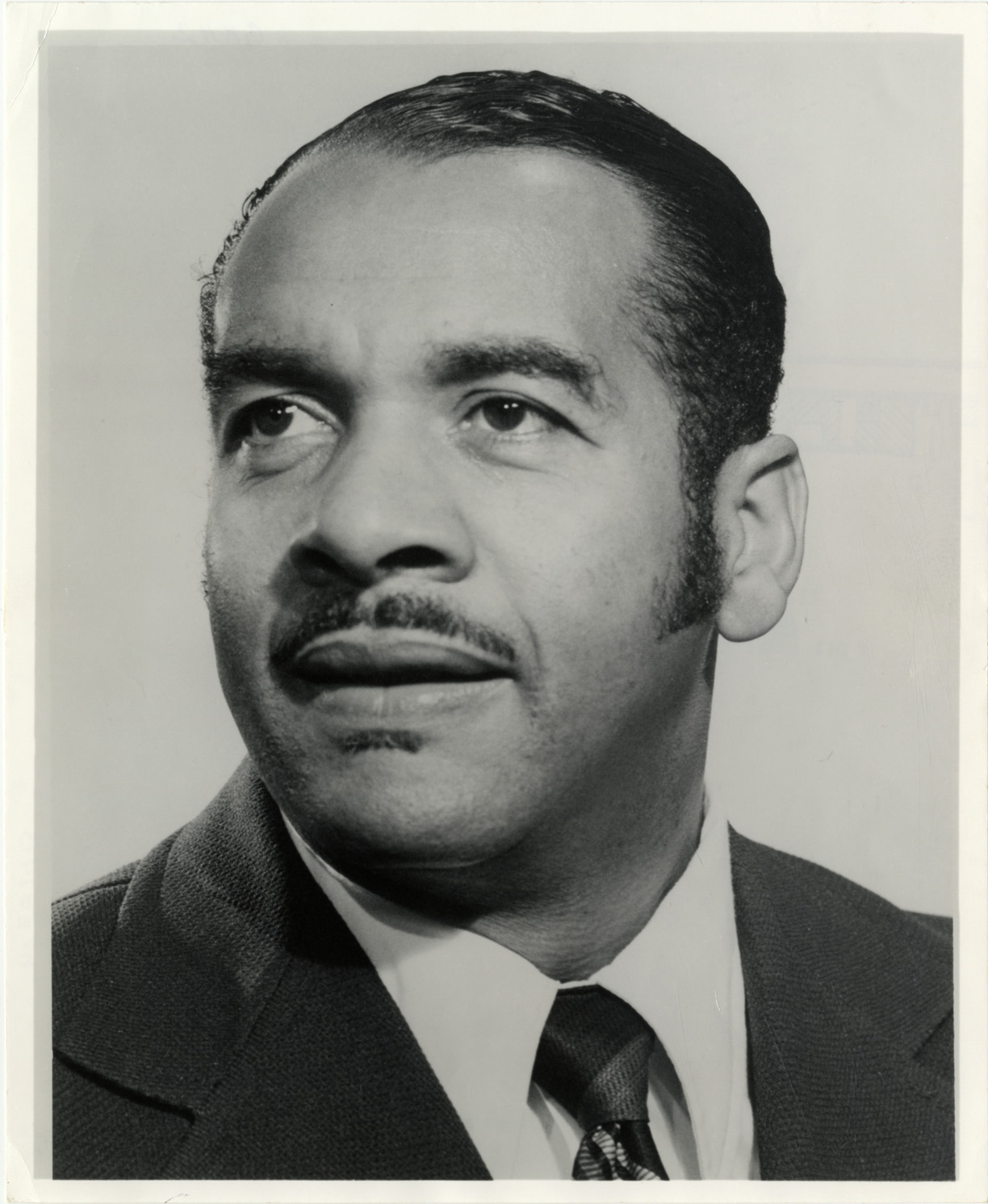
A lifelong Ann Arbor resident, Patterson enlisted in the United States Air Force after graduating from Ann Arbor High School in 1949. He then attended what is now Eastern Michigan University, transferring in his junior year to U-M, where his powerful bass-baritone was featured in many operas and concerts. After obtaining his master’s, he taught at Southern University, a historically black college/university (HBCU) in Baton Rouge, followed by six years at another HBCU, Virginia State College. These tenures contributed to raising his consciousness about Black heritage against the background of the civil rights movement.
During this same period, Patterson enjoyed much success as a singer, including performing as Balthazar in the 1963 NBC production of the Menotti opera Amahl and Night Visitors. It received an annual national airing for eight years and was recorded as an album on the RCA label.
In 1965, Patterson won a Fulbright Fellowship to study German lieder (art songs) at the Hochschule für Musik Freiburg in Germany. During that academic year he performed to much acclaim in operas and concerts across Europe. Later in life, he studied opera at the Manhattan School of Music and in 1993 obtained a PhD in higher education at Wayne State University.
Patterson founded Ann Arbor’s Our Own Thing Youth Instructional Program in 1968, providing underprivileged students in the Ann Arbor/Ypsilanti area with free instruments and music lessons. This was soon followed by the Willis C. Patterson Our Own Thing Chorale, an adult community choir that specializes in traditional African American spirituals and contemporary compositions. Both programs continue to thrive. For many years he also taught at the Interlochen National Music Camp during the summer.
In 1977, Patterson published Anthology of Art Songs by Black American Composers, described by The New York Times as “groundbreaking,” which was followed, in 2002, by The Second Anthology of Art Songs by African American Composers. In 2011 he wrote The Saints Among Us, which paid tribute to the people of Ann Arbor who helped African American youths during the Great Depression, and in 2015 he published his autobiography, The Unlikely Saga of a Singer from Ann Arbor.
For 37 years, Patterson was music director/minister of music at the First Congregational Church of Ann Arbor. He served as the president of the National Association of Negro Musicians; as executive secretary of the National Black Music Caucus; as president of VIDEMUS, a nonprofit arts organization committed to producing concerts, programs, and recordings of the concert music of underrepresented composers; and as a trustee of the Ann Arbor Area Community Foundation, helping to establish the African American Endowment Fund.
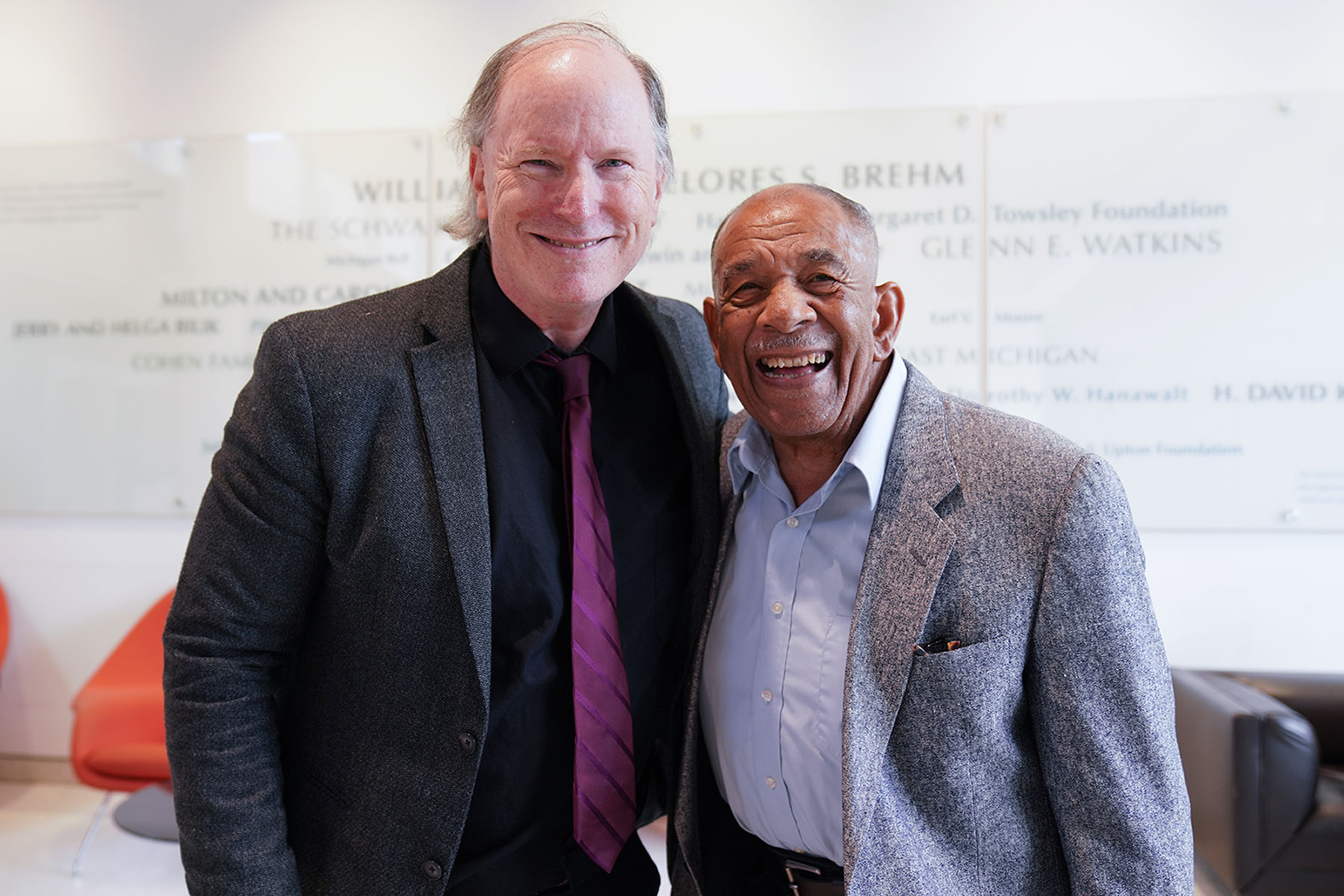
SMTD commemorated the 50th anniversary of Patterson’s hiring with the publication of “Willis Patterson: Artist and Advocate,” an article about his life, career, and lasting influence on U-M and Ann Arbor. In 2020, Patterson’s papers were donated to U-M’s Bentley Library, providing complete documentation on his decades-long effort to have African American music take its rightful place in the vocal canon.
The Willis Patterson Fund, endowed by several donors in 1998 in honor of Patterson’s retirement, provides scholarship support to undergraduate minority students who show evidence of outstanding musicianship, promising leadership qualities, a good academic record, and financial need.
H. Robert Reynolds (1934–2026)
H. Robert Reynolds (BM ’56, music education; MM ’58, wind instruments), who served as SMTD’s director of bands and chair of the conducting department from 1975–2001, died on January 30, 2026. Reynolds enjoyed a long tenure as the Henry F. Thurnau Professor of Music and propelled the band program forward, continually raising standards and broadening its mission. Significantly, he instituted a professional model for the program, moving away from the military style bands that had previously characterized the program. Determined to give students more performance opportunities, he also expanded the repertoire by creating a commissioning fund, which resulted in nearly 40 new band works being commissioned during his tenure and continues to be used today.
The Symphony Band reached new levels of artistic achievement under Reynolds’s guidance, particularly through touring. He led a 1997 tour of the East Coast, culminating in a concert at Carnegie Hall, and a 1987 trip to Germany with the brass players to perform – with ensembles from France and England and with the Berliner Philharmoniker – in celebration of the 750th birthday of Berlin. A highlight of his time at Michigan was the six-week tour of Europe in 1984, which included a performance of Karlheinz Stockhausen’s newest opera, Samstag aus Licht, in Milan’s La Scala opera house, making the Symphony Band the first ensemble other than La Scala’s own to perform in a La Scala production. At a reunion of that band’s members in Ann Arbor in 2022, alumni announced the establishment of the H. Robert Reynolds Scholarship in Music to honor their former conductor.
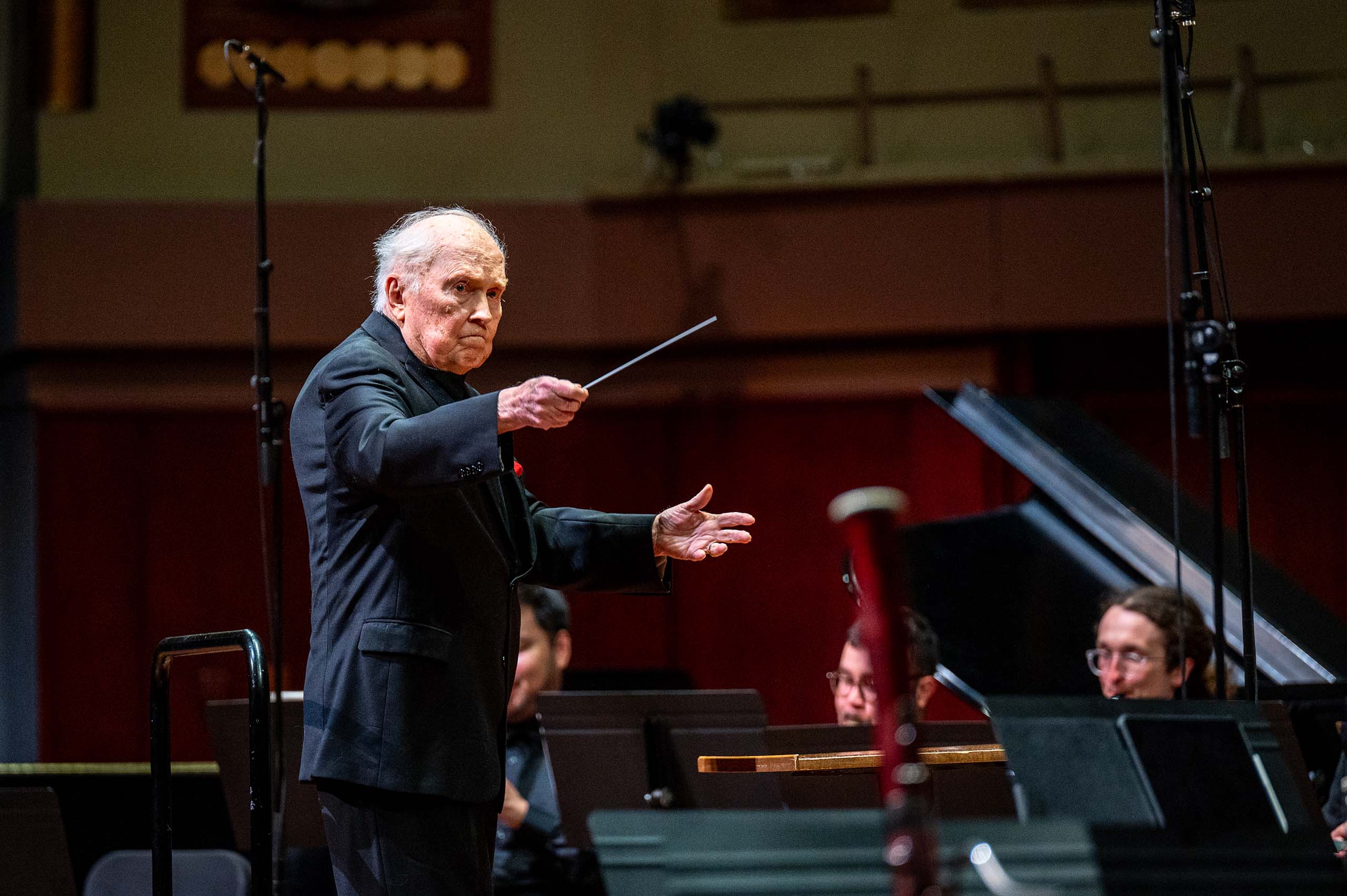
Reynolds, who was born in Canton, Ohio, began his career in the public schools of Michigan and California before beginning university conducting at California State University at Long Beach and the University of Wisconsin. He served as president of the College Band Directors National Association and was the first recipient of its Lifetime Achievement Award. He received the highest national awards from the National Band Association, the American School Band Directors Association, and three music fraternities. Other honors included the Medal of Honor from the Midwest Clinic International Band and Orchestra Conference and an honorary doctorate from Duquesne University.
Following his retirement from U-M, Reynolds became principal conductor of the Wind Ensemble at the Thornton School of Music at the University of Southern California. He also served as conductor of the Young Artists Wind Ensemble at Boston University’s Tanglewood Institute, a premier summer training program for musicians ages 14 to 20. Additionally, for over 36 years he was the conductor of the celebrated Detroit Chamber Winds & Strings, for whom he also served as artistic advisor. For over 10 years, Reynolds was a member of the National Awards Panel for ASCAP (American Society of Composers, Authors and Publishers) and in 2001 received a national award from ASCAP for his contributions to contemporary American music. Reynolds conducted recordings for Koch International Classics, Pro Arte Chamber Orchestra, Caprice Records, and Deutsche Grammophon and was a featured conductor and lecturer at international conferences throughout much of Europe. He also conducted in many of the major cities of Japan, Spain, and Sweden.
Reynolds established and endowed two funds at SMTD in honor of his parents: The Ethel V. Curry Distinguished Lecture in Musicology and the H. Earl Reynolds Fund, which provides enrichment for the concert band/wind ensemble program in various ways, including by commissioning new works; offering master classes in instruments and conducting; and inviting guest conductors, soloists, and lecturers.
1950s
Martha E. Barnwell (MM ’50, music education), died December 25, 2025
Helene D. Bleecker (BM ’50, music education), died July 10, 2025
Mary L. Broughton (BM ’57, piano), died November 7, 2025
Camilla D. Cloney (BM ’52, piano), died July 7, 2025
Kenneth W. Copp (BA ’55, speech), died September 14, 2025
Doris McNabb English (BM ’53, music education), died September 14, 2025
Patricia H. Geisendorfer (BM ’52, music education), died July 10, 2025
Frank F. Mueller (BM ’59, music literature), died October 8, 2025
Wendell E. Orr (MM ’57, voice), died August 18, 2025
William F. Radant (MM ’54, wind instruments), died October 24, 2025
Anne G. Remley (BA ’52, theatre; MA ’59, speech), died November 12, 2025
Leonhard S. Rose (MM ’58, music education), died October 20, 2025
Patricia A. Saker (MM ’52, music theory), died July 17, 2025
Yvonne W. Schilla (BM ’53, MM ’59, music education), died July 12, 2025
Barbara L. Shanno (BM ’56, voice), died November 30, 2025
Dorothy M. Sydnor (BM ’51, piano), died January 1, 2026
1960s
Jack D. Bittle (BM ’56, MM ’67, music education), died August 5, 2025
Verne E. Collins (EdD ’66, music education), died August 4, 2025
Marianne H. Corrigan (BM ’67, music education), died October 17, 2025
Maxene E. Gaffner (BM ’65, music literature), died June 23, 2025
Martin M. Herman (PhD ’64, musicology), died August 26, 2025
Ronald G. James (MM ’61, music education), died January 2, 2026
Linda V. Jones (BM ’60, music education), died September 10, 2025
Gregory M. Kerkorian (MM ’66, music education), died July 30, 2025
Phillip L. Mason (MM ’61, DMA ’69, violin), died October 8, 2025
James W. Musolf (MM ’68, organ), died July 29, 2025
Robert C. Musser (MM ’66, wind instruments), died February 7, 2026
Katherine S. Oarr (MM ’61, music literature), died October 17, 2025
Thomas J. Ozinga (MA ’61, speech; PhD ’67, theatre), died January 12, 2026
Richard T. Roznoy (BM ’66, MM ’67, music education), died August 8, 2025
Douglas G. Stow (MM ’63, organ), died July 2, 2025
Suzanne E. Thorin (MM ’64, music literature), died December 21, 2025
Karl M. Wirt (BM ’64, music education), died July 30, 2025
1970s
Roberta L. Alexander (MM ’71, voice), died October 27, 2025
Melanie P. Bean (MM ’75, piano), died June 3, 2025
Peter J. Cwik (MA ’72, speech), died October 18, 2025
Susan J. Gunning (BM ’69, string instruments; MM ’72, violin), died November 8, 2025
James Harris (MM ’71, music education), died February 8, 2026
Karen W. Kenny (BM ’70, music education), died August 26, 2025
Lynn E. Klock (BM ’74, MM ’75, saxophone and wind instruments), died August 16, 2025
Christine K. Mather (PhD ’71, musicology), died July 16, 2025
Anita S. Pinson (BM ’71, MM ’74, music education), died August 7, 2025
Melvin C. Platt (PhD ’71, music education), died November 7, 2025
Douglas J. Scripps (MM ’70, music history & literature), died July 20, 2025
Donna J. Spaan (MA ’65, theatre; PhD ’74, speech), died September 17, 2025
Carol G. Wargelin (BM ’65, MM ’70, music education), died December 30, 2025
Richard E. Watson (BM ’75, tuba), died June 28, 2025
Lloyd E. Whitehead (BM ’67, MM ’71, clarinet and music education), died November 29, 2025
1980s
David E. Glazier (MM ’83, clarinet and music education), died October 16, 2025
Daniel M. Meyers (BM ’84, music education and trumpet), died December 13, 2025
1990s
Christine Kueber (MM ’92, church music and organ), died November 7, 2025
2000s
Robert W. Vulchard (BM ’08, composition and piano), died October 27, 2025
James H. Wagner (DMA ’05, organ), died January 29, 2026