Global Experiences with SMTD
Discover pathways to study, research, and perform that connect you with cultures and communities around the world. SMTD’s global learning experiences invite you to expand your understanding of performance in a global context. Through programs in world and ethnic performance studies and opportunities to study abroad, students can collaborate with international artists and engage with musical traditions from around the globe.
Global Programs at SMTD
World Performance Studies
SMTD’s Center for World Performance Studies advocates for performance as a mode of research and as a means of public engagement, centering on underrepresented, non-Western, and diasporic voices, bodies, and acts. We connect – both locally and globally – students, faculty, artists, thinkers, and scholars in order to educate each other about Performance Studies and to promote interdisciplinary and intersectional insights and research methodologies.
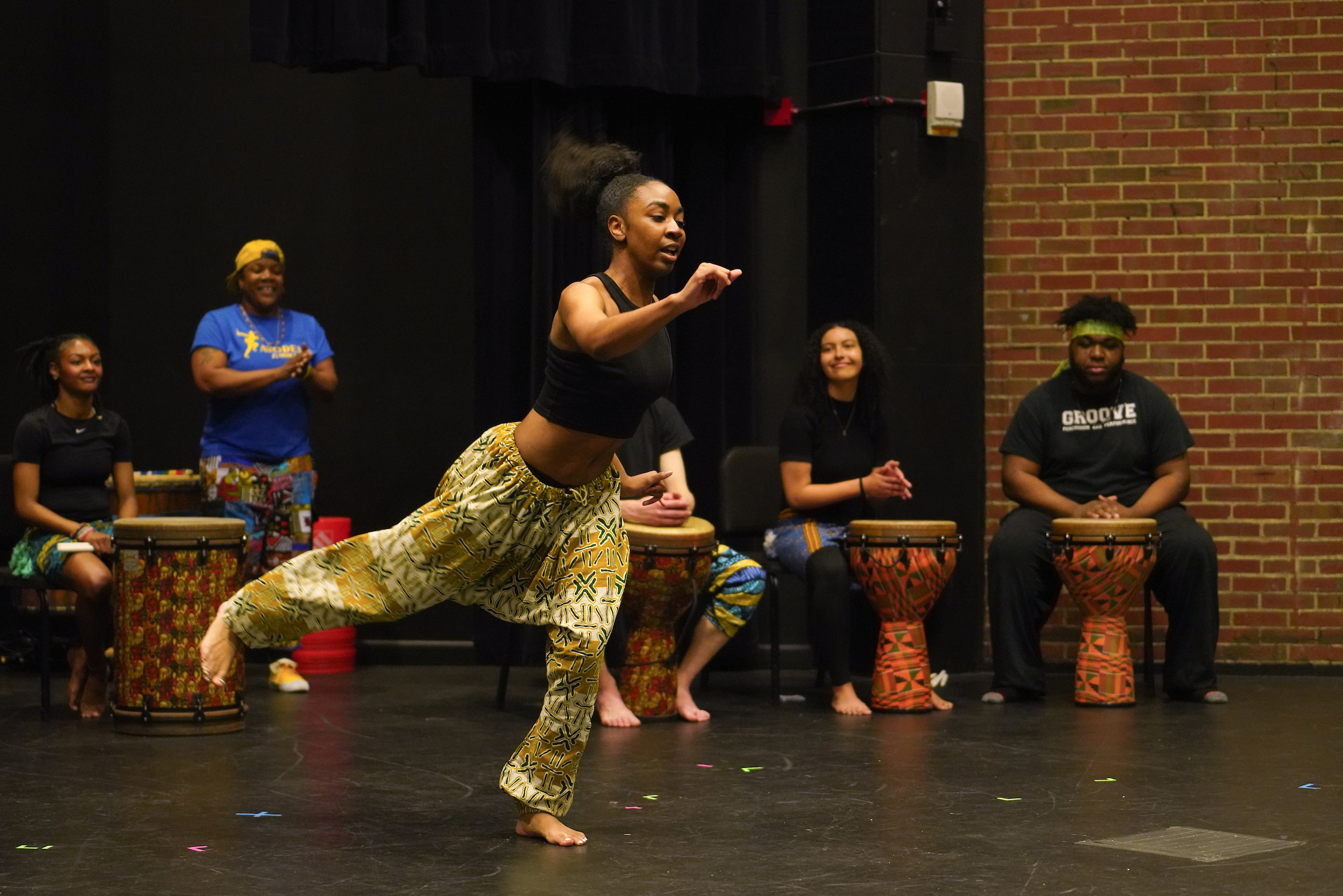
Minor in Global and Ethnic Performance Studies
The Global and Ethnic Performance Studies minor welcomes students from across the University with an interest in any performing art, including music, dance, or theatre. Students explore how to analyze, perform, and create works emerging from diverse cultural contexts.
Graduate Certificate in World Performance Studies
The Graduate Certificate in World Performance Studies is a one-year program that provides students an opportunity to join an interdisciplinary cohort of Graduate Fellows, interested in performance as an artistic and scholarly field of inquiry.
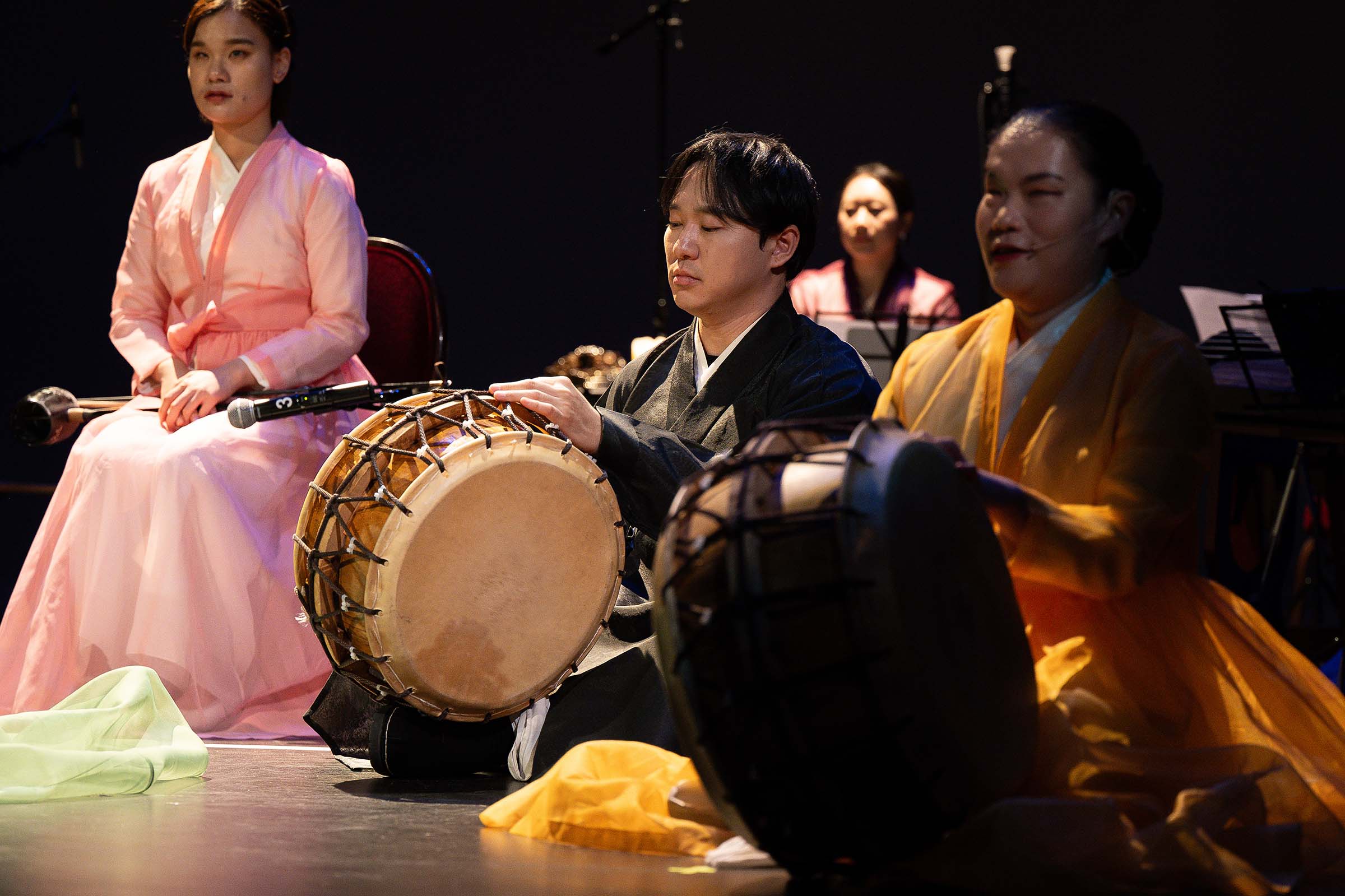
Korean Performing Arts Initiative (2025-27)
The Korean Performing Arts Initiative (KPAI) is a strategic collaboration between the School of Music, Theatre & Dance, the Nam Center for Korean Studies, and faculty, students, and organizations inside and outside of U-M in response to growing interest in Korean arts. With two years of funding from the U-M Arts Initiative to supplement support from partners and donors, this initiative will position the University of Michigan as the US hub for the study and promotion of Korean expressive arts, including music, dance, and theatre.
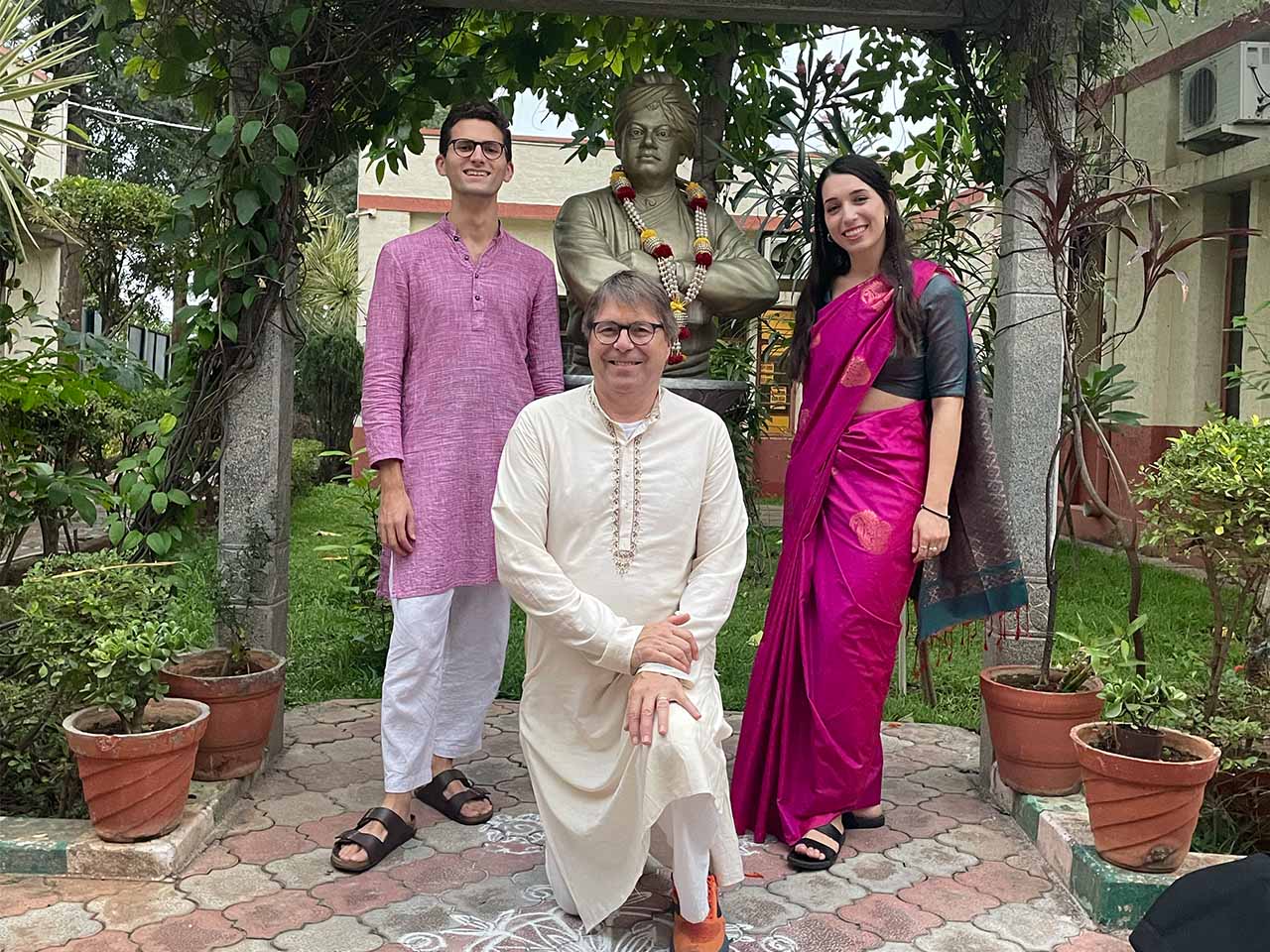
Travel and Study Abroad for U-M Students
International travel provides transformative life experiences. From performance tours, to collaborations with teachers, artists, and other students, to semester-long study abroad, students advance professional and life skills while also jump-starting their burgeoning careers.
International Exchange and Study Abroad Opportunities for Students from Abroad
Our International Programs offer students from around the world the opportunity to study at SMTD for a semester or full academic year, combining academic coursework with cultural immersion and intensive language learning.
Research and Play Music
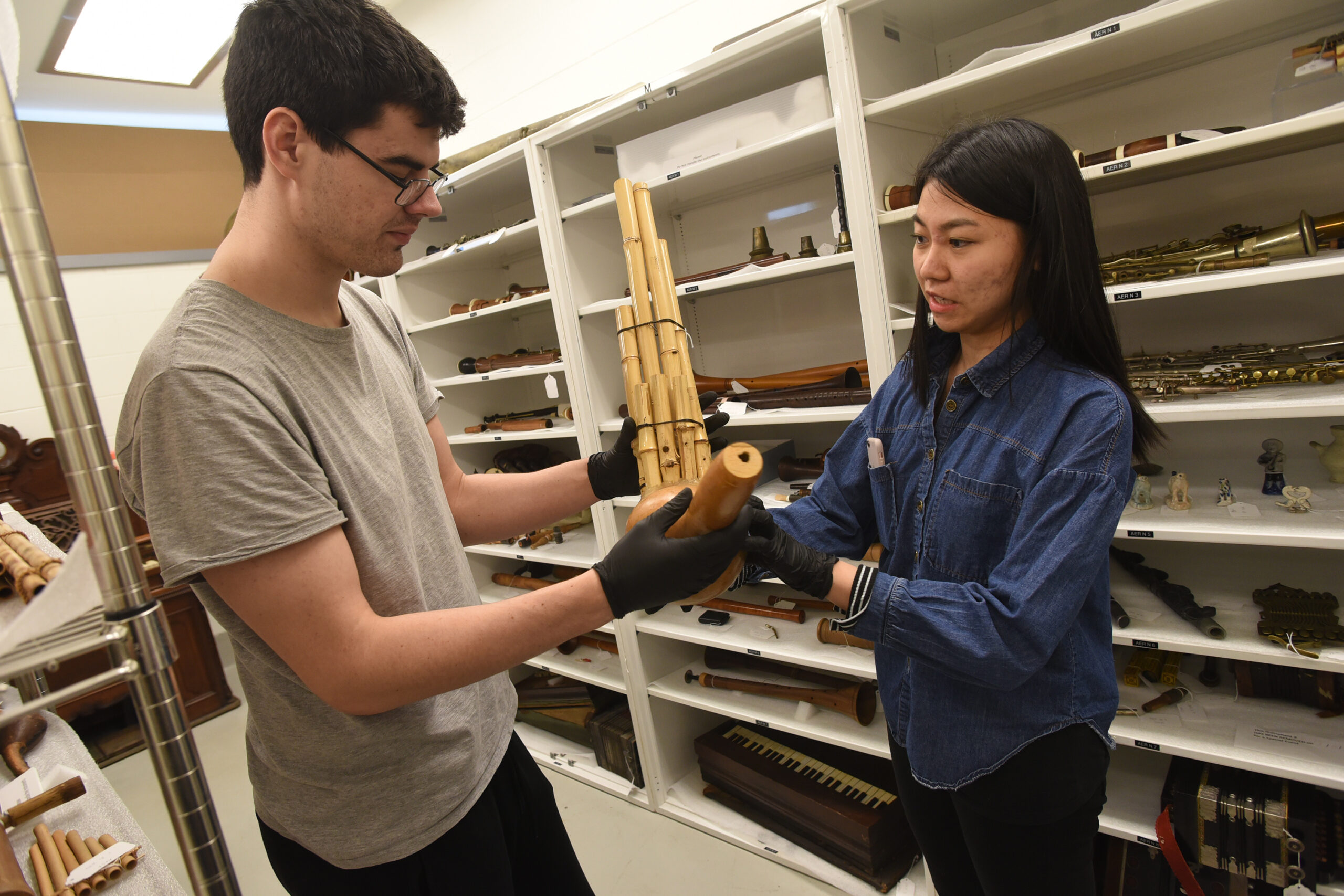
Stearns Collection of Musical Instruments
The Stearns Collection of Musical Instruments comprises more than 3,000 historical and contemporary musical instruments from all over the world. The mission of the collection is to preserve musical instruments, promote understanding of world music cultures, and connect people with outstanding resources for performance and research.
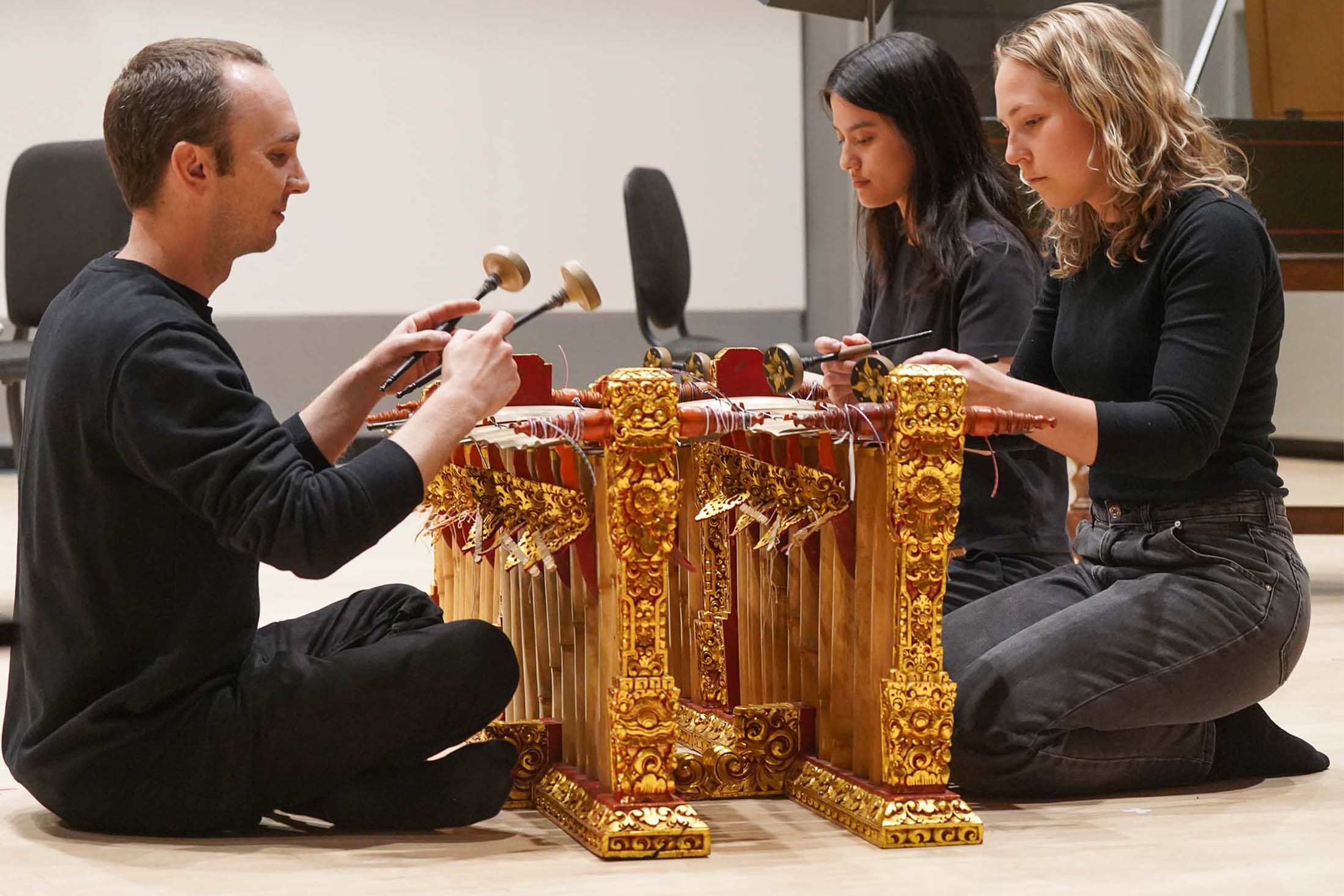
Gamelan
The University of Michigan’s Gamelan Ensemble was formed in 1968 and has grown to encompass Javanese music, dance, and puppetry, often featuring renowned guest artists. Over the decades, the ensemble has supported new gamelan compositions, trained leading scholars of Southeast Asian music, and introduced students across the university to Indonesian culture.
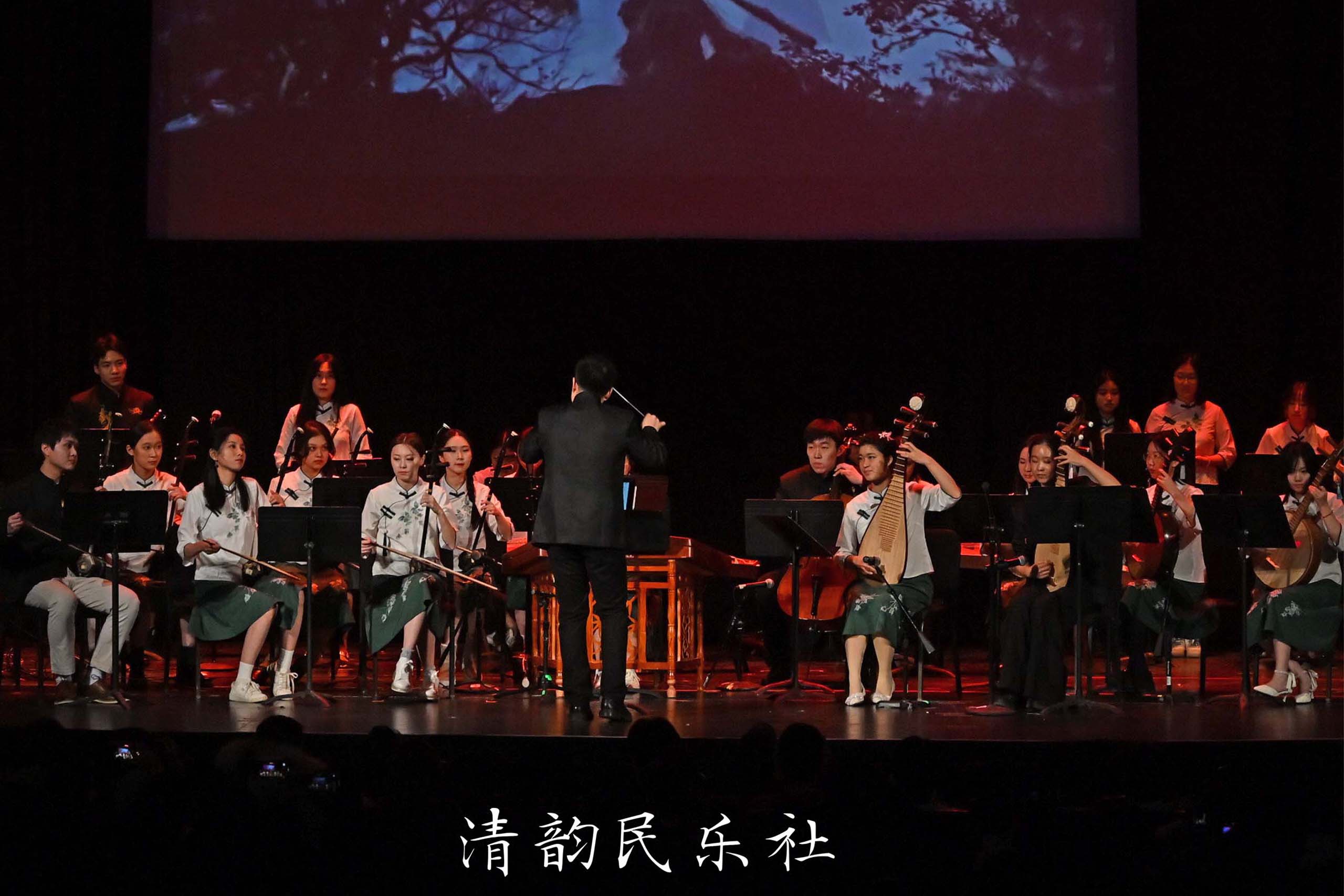
Qingyun Chinese Music Ensemble
The Qingyun Chinese Music Ensemble was founded to provide performance opportunities and to enable students with backgrounds in traditional Chinese instruments to continue pursuing their passion. The ensemble is determined to bring Chinese traditional music to the University of Michigan and promote cultural and musical diversity on campus.